Categories
Solar Panels

Rooftop Solar for Homes in India: A Smart Way to Reduce Your Electricity Bills

Rooftop solar has rapidly become one of the most popular renewable energy solutions for homeowners in India. Rising electricity prices, government incentives, and increasing environmental awareness are driving this shift toward clean energy.

In fact, India added around 7.1 GW of rooftop solar capacity in 2025, more than double the installations of the previous year, largely driven by residential adoption and government subsidy programs.

Companies like Fenice Energy are helping homeowners transition to rooftop solar systems that reduce electricity bills while contributing to a cleaner energy future.

Why Rooftop Solar is the Biggest Trend for Indian Homes

Several factors are making rooftop solar increasingly attractive for homeowners.

  1. Government Subsidies Make Solar More Affordable

The Indian government offers financial support through residential solar subsidy programs. Homeowners can receive up to ₹78,000 subsidy for rooftop solar installations, significantly lowering the upfront cost.

This has made solar power accessible to middle-class households across cities and towns.

  1. Rising Electricity Tariffs

Electricity costs have steadily increased in many states. Rooftop solar helps homeowners generate their own electricity, reducing dependence on the grid and protecting against future tariff hikes.

  1. Long-Term Savings

Solar panels typically last 25 years or more, meaning homeowners can enjoy decades of lower electricity costs after the initial investment.

How to Get the ₹78,000 Subsidy for Rooftop Solar

The government subsidy for rooftop solar systems is available for residential consumers installing systems up to 3 kW and beyond.

Typical subsidy structure

Solar System Size Approximate Subsidy
Up to 3 kW Up to ₹78,000
3–10 kW Additional subsidy for first 3 kW

Steps to apply

  1. Register on the national rooftop solar portal.
  2. Choose an approved solar vendor.
  3. Install the rooftop solar system.
  4. Apply for inspection and net metering.
  5. Receive the subsidy directly in your bank account.

Solar companies like Fenice Energy assist homeowners through the entire process, including documentation and subsidy applications.

3kW vs 5kW Solar System: Which One is Right for Your Home?

Choosing the right solar system size depends on your electricity consumption and available rooftop area.

Feature 3 kW Solar System 5 kW Solar System
Ideal for Small to medium homes Larger homes or villas
Monthly generation ~350–400 units ~650–750 units
Rooftop area required 250–300 sq ft 400–500 sq ft
Typical use Basic appliances, fans, lights, fridge ACs, appliances, higher consumption

A 3 kW system works well for homes with moderate power usage, while a 5 kW system is ideal for households with air conditioning and higher electricity consumption.

Zero Electricity Bill with Solar: Myth or Reality?

Many homeowners wonder if installing solar can completely eliminate their electricity bill.

The answer depends on a few factors:

  • Size of the solar system
  • Daily electricity consumption
  • Net metering availability
  • Seasonal sunlight variations

In many cases, a properly sized rooftop solar system can reduce electricity bills by 70–100%, especially for homes with high daytime energy use.

Some households even generate excess power that can be exported back to the grid.

How Net Metering Works for Homeowners

Net metering is a key benefit of rooftop solar systems.

How it works

  1. Solar panels generate electricity during the day.
  2. Your home consumes the power it needs.
  3. Excess electricity is exported to the grid.
  4. The exported units are credited to your electricity account.

At the end of the billing cycle, you pay only for the net electricity consumed after subtracting the solar power you exported.

This makes rooftop solar even more financially attractive.

Case Study: A Home in Chennai Saving on Electricity with Solar

A residential homeowner in Chennai installed a 5 kW rooftop solar system to offset rising electricity bills.

Before installing solar

  • Average monthly electricity bill: ₹7,500
  • Heavy usage due to air conditioning and appliances

After installing solar

  • Electricity bill reduced by nearly 80–90%
  • Average savings: ₹5,500–₹6,000 per month

Over the lifetime of the system, the homeowner is expected to save more than ₹15–18 lakhs in electricity costs.

Key Benefits of Rooftop Solar for Homes

Installing rooftop solar offers multiple advantages:

  • Lower electricity bills
  • Government subsidies and incentives
  • Reduced carbon footprint
  • Increased property value
  • Energy independence

With improved technology and supportive policies, rooftop solar has become one of the most practical investments for homeowners in India.

Why Choose Fenice Energy for Rooftop Solar

Fenice Energy provides end-to-end rooftop solar solutions for homeowners. Their services include:

  • Solar feasibility assessment
  • Customized system design
  • High-efficiency solar modules
  • Professional installation
  • Net metering and subsidy assistance
  • Long-term maintenance support

This ensures homeowners get a reliable solar system that delivers consistent performance and maximum savings.

The Future of Residential Solar in India

  • With strong government support and rising electricity costs, rooftop solar adoption is expected to grow rapidly in the coming years.
  • Millions of Indian homes are now exploring solar energy as a way to reduce expenses, increase energy independence, and contribute to a cleaner environment.
  • For homeowners considering the switch, rooftop solar is no longer just an environmental choice—it is also a smart financial decision.
Categories
Solar Panels Uncategorized

Solar for Commercial & Industrial Buildings: Reduce Electricity Costs by 40–60%

Electricity is one of the largest operational expenses for commercial and industrial businesses in India. With power tariffs steadily rising and sustainability becoming a priority, many businesses are turning to rooftop solar power as a reliable and cost-effective solution.

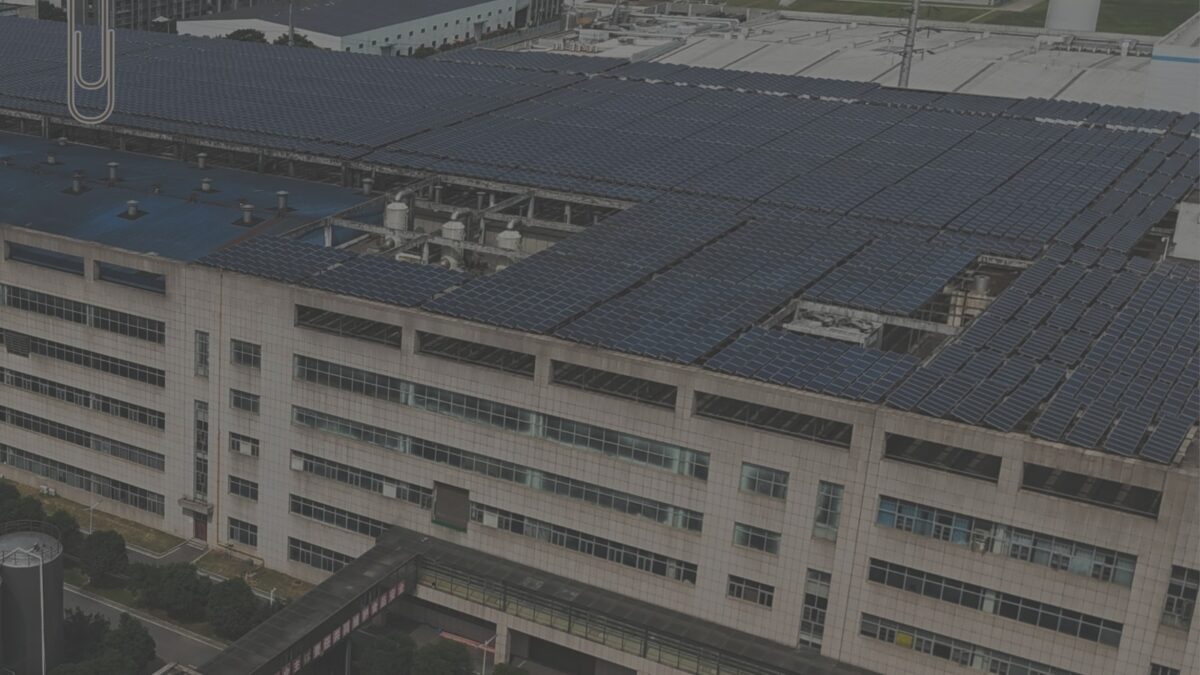
Today, commercial and industrial (C&I) consumers account for nearly 65% of rooftop solar adoption in India, largely because solar electricity is often significantly cheaper than grid power. For factories, warehouses, IT parks, and shopping malls, installing solar can lead to substantial savings while supporting long-term sustainability goals.

Companies like Fenice Energy help businesses transition to solar through customized rooftop solar systems, efficient installation, and flexible financing options.

Why Solar is Gaining Popularity in Commercial & Industrial Buildings

Businesses across sectors are increasingly investing in solar power for several reasons:

  1. Significant Reduction in Electricity Bills

Solar systems can reduce electricity costs by 40–60%, depending on the system size, energy consumption patterns, and available rooftop area.

For industries with heavy daytime consumption—such as manufacturing units and warehouses—solar power can offset a large portion of grid electricity usage.

  1. Protection Against Rising Power Tariffs

Electricity tariffs for commercial and industrial consumers often increase every year. Installing solar allows businesses to lock in lower power costs for 25 years or more, providing long-term financial predictability.

  1. Strong Sustainability Credentials

Many corporations now track their ESG (Environmental, Social, and Governance) goals. Solar installations help companies reduce carbon emissions while demonstrating environmental responsibility to customers, investors, and partners.

  1. Fast Return on Investment

Most commercial solar systems achieve ROI within 3–5 years, after which the electricity generated is essentially free for the remaining lifespan of the system.

Industries That Benefit Most from Rooftop Solar

Solar installations are particularly effective for businesses with large rooftops and high daytime electricity consumption.

Factories and Manufacturing Units

Manufacturing facilities often run heavy machinery during the day, making them ideal candidates for solar power.

Typical benefits include:

  • 40–60% reduction in electricity costs
  • Stable power supply during peak production hours
  • Improved sustainability compliance

Warehouses and Logistics Centers

Warehouses typically have large, unobstructed rooftops, making them perfect for solar installations.

Solar power can run:

  • Lighting systems
  • HVAC units
  • Automation equipment
  • Charging infrastructure

IT Parks and Office Complexes

Corporate offices can use solar to power:

  • Workspaces
  • Air conditioning systems
  • Data centers
  • Common area utilities

Installing solar also supports corporate sustainability commitments.

Shopping Malls and Retail Spaces

Large commercial complexes can significantly reduce operating costs by installing rooftop solar systems that power lighting, escalators, cooling systems, and parking infrastructure.

The OPEX Solar Model: Install Solar with Zero Upfront Cost

One of the most attractive options for businesses today is the OPEX (Operational Expenditure) solar model.

Under this model:

  • The solar system is installed and maintained by the solar provider.
  • The business pays only for the electricity generated.
  • There is no upfront investment required.

This allows companies to start saving on electricity costs immediately while avoiding capital expenditure.

Benefits of the OPEX model include:

  • Zero upfront cost
  • Reduced electricity tariffs
  • No maintenance responsibility
  • Predictable energy pricing

Many businesses choose this model to scale solar adoption across multiple facilities.

Case Study: Solar for a Manufacturing Unit

A mid-sized manufacturing company recently installed a 500 kW rooftop solar system to offset its high electricity usage.

Before Solar

  • Monthly electricity bill: ₹18–20 lakhs
  • High tariff exposure
  • Increasing operational costs

After Solar Installation

  • Electricity savings: around 45%
  • Annual savings: approximately ₹90 lakhs
  • Payback period: under 4 years

In addition to financial savings, the company also reduced its carbon emissions significantly.

Key Factors to Consider Before Installing Solar

Before implementing a rooftop solar system, businesses should evaluate several factors:

Rooftop Area and Structural Strength

The roof must have adequate space and structural capacity to support solar panels and mounting systems.

Energy Consumption Patterns

Solar systems perform best when energy consumption aligns with daytime generation.

Net Metering Policies

Depending on the state regulations, businesses may be able to export excess power back to the grid through net metering.

Quality of Components

High-efficiency solar modules, reliable inverters, and robust mounting structures are essential for long-term performance.

Why Work with Fenice Energy

Fenice Energy provides end-to-end solar solutions tailored for commercial and industrial clients.

Services include:

  • Energy assessment and feasibility study
  • Customized solar system design
  • High-efficiency solar modules and reliable mounting systems
  • Professional installation and commissioning
  • Operations and maintenance support

Fenice Energy helps businesses maximize energy savings while ensuring reliable system performance for decades.

The Future of Commercial Solar in India

India’s renewable energy transition is accelerating, and rooftop solar will play a major role in helping businesses reduce costs and carbon emissions.

With rising electricity tariffs and supportive policies, more factories, warehouses, and commercial buildings are expected to adopt solar power in the coming years.

For businesses looking to reduce operational costs while moving toward cleaner energy, rooftop solar is quickly becoming one of the smartest investments available.

Interested in installing solar for your business?
Get in touch with Fenice Energy to explore customized solar solutions for your commercial or industrial facility.


Categories
Solar Panels

Why Integrated Solar Kits Are Better Than Custom Solar Systems

Solar adoption is growing rapidly across India. Homeowners and businesses are facing a crucial decision: “should I choose a custom-built solar system or a pre-engineered solar kit?” While custom installations may appear flexible or cheaper, integrated solar kits in India offer significantly better performance, safety, and long-term reliability, especially given the Indian climate and grid conditions.

This guide explains why solar kits are the smarter, future-proof choice.

The Hidden Risks of “Mix-and-Match” Systems

When a system is pieced together from various vendors, the lack of a unified design often leads to hidden problems that only surface after the warranty period begins:

  • System Mismatch: If the panels and inverter aren’t perfectly synchronized, the system suffers from frequent power trips and energy loss.
  • Flimsy Foundations: Many custom setups use low-quality mounting structures that cannot withstand India’s intense monsoon winds or coastal cyclones.
  • Safety Hazards: Using substandard cables to save costs is a major risk; they often degrade quickly in high heat, leading to efficiency drops or even fire hazards.
  • Installation Human Error: Without a standardized manual, local installers often miss critical safety steps like proper earthing or the correct tilt for maximum sun exposure.
Precision Engineering for the Indian Climate

India’s environment is uniquely demanding. We face extreme summer temperatures with heatwaves, heavy dust, and frequent voltage fluctuations in the local grid. Integrated solar kits are engineered specifically for these “real-world” conditions. Every part is tested to ensure that the inverter handles grid spikes safely and the panels remain cool and efficient under the scorching sun. Because these systems are designed as one unit, they are faster to install, experience fewer breakdowns, and last significantly longer than their custom-built counterparts.

Invest in your Peace of Mind

At the end of the day, a solar system is a 25-year commitment to your property. Choosing a certified, pre-engineered solar kit ensures that your investment is protected by a unified warranty and a system that was built to work together. For a homeowner, this means lower electricity bills and zero headaches, ensuring that your transition to clean energy is a secure, long-term success.

Categories
Solar Panels

Off-Grid vs On-Grid Solar System: Know the Difference Between Them

Solar energy has emerged as one of the most widespread forms of renewable energy generation today. While hydro power plants and wind energy farms are primarily used for large-scale power generation, solar energy can be scaled to almost any size. From large, multi-gigawatt solar installations to solar-powered lawn lights and battery chargers, solar energy can be custom-sized to any requirement.

Homeowners and industrial real estate are increasingly moving towards partial or total reliance on solar energy for their electrical needs. A world without electricity is unimaginable today, therefore the need for a clean, renewable alternative to fossil fuels for power generation. Much technical, fiscal, and political investments have gone into promoting the adoption and proliferation of solar and other renewable energy generation approaches.

Almost all of the electricity we use today is provided by private or government-owned corporations. They have power generation plants and electric wires that deliver electricity to streets, homes, offices, and other consumption points. This distribution network is called a power grid.

Homes and offices that use solar energy partially or completely are either connected to the grid, or completely disconnected from the grid. Such solar energy systems are known as on-grid (connected) or off-grid (disconnected) solar energy systems. In this article, we will consider and evaluate the benefits, constraints, and other factors associated with off-grid and on-grid solar energy systems. Which one is better depends almost entirely on your requirement.

Anatomy of solar energy systems

Solar energy systems are simple to set up and connect. The process relies on the chemical properties of a photovoltaic (photo=light, volt=unit of electricity) substance to convert sunlight into electricity. Since this is a chemical reaction and all chemical reactions generate only DC (direct current) voltage, the electricity generated is DC current. Silicone is the most widely used photovoltaic substance used in the manufacture of solar panels. Photovoltaic cells are arranged on a solar panel in neat rows and columns called arrays, and these are connected by electrical wires to a terminal. A thin film of glass or other transparent material covers the arrays of solar cells. When sunlight strikes the solar panel, the solar cells discharge a small DC voltage, which is then carried over wires to a terminal.

Pic credit: Image by brgfx on Freepik

Solar energy with house and solar cell illustration

Since most common electrical appliances use AC current, the electricity generated by the solar panel goes to an inverter that converts it to AC current. This AC output is then connected to the main power input to the building and powers the lights and other appliances within.

Power corporations provide power according to a specific voltage and frequency specified by regulations enforced by the government. For example, most countries on the North and South American continents use 110~120 volts at 560hz frequency, while Australia and most countries in Europe, Africa and the Middle East use 220~240 volts at 50hz frequency.

Solar Energy systems must match the voltage and frequency of the grid whether on-grid or off-grid, because appliances are designed to work at these voltages and at those frequencies. They will work better and lost longer as long as they conform to those standards. On-grid solar energy systems need to comply with these standards because the switching to and from the grid must be seamless and opaque to the appliances.

On-grid solar energy systems

Most homes, offices, industries and other establishments began as on-grid power consumers. In fact, one of the first things we do when building a home, is to get an electricity connection from the nearest power corporation. This comes with a meter that tracks energy usage, and we pay for the electricity as we use it. This also subjects us to power cuts and surges, and rising cost of electricity over time.

The decision to install a solar energy system is driven largely by two factors: the need to contribute to a shrinking global footprint, and a desire to reduce the cost of power. As most domestic solar installation may not cover one’s total energy requirement, a partial reliance on the grid continues. As the sun only shines during the day, and sunshine drives solar energy systems, we resort to using power from the grid at night. Of course, there is the possibility of storing energy in a battery for later use. We will discuss that later in the article.

Reduce your electricity bills upto 90% with Fenice


Get an Estimate

The benefits of an on-grid system is as follows:

Cost-effective: On-grid solar energy systems offer significant cost savings. These systems can provide power to the unit during the day, and avoid the cost of using power from the grid. Net metering is a billing system that allows solar energy generating homes or other establishments to get credits for the excess power generated that they share to the grid. These credits can be used to pay off for power used at night. Some regions allow homes to carry over credit, so credits earned during bright summers can be used up in the winter months. Home owners can even choose to het paid for energy credits.

Government schemes: Many governments have launched schemes to encourage people to install solar energy projects. There are low-interest loans and subsidies that may be availed to help bear the cost of installation. Many states also offer a discount on electricity charges if a home or shop have a solar energy system installed.

Reliability: Being connected to the grid enables users to draw on grid-provided power during low power generation, during repairs and maintenance, and during the night time.

Scalability: Solar energy systems are eminently scalable. Once a basic solar energy system is installed, more panels and inverters can b added to provide additional capacity.

Environment friendly: Solar energy systems contribute to shrinking the carbon footprint, thereby reducing the contamination of the air and degradation of the planet. This is a long-term investment with far-reaching ramifications.

The one significant drawback of an on-grid solar energy system is that when the grid is down, the solar energy system must also be disconnected die to anti-islanding regulations. When the grid produces no power, the power produced by on-grid solar energy systems may spill over onto the grid. This may pose a critical hazard to the lives of workers in the vicinity. For this reason, solar energy systems need to install circuitry that detects when the grid is down, and shits off all power generation.

Off-grid solar energy systems

Solar energy systems that are not connected to the power grid are off-grid systems. Off grid systems receive no power from the power corporations and do not need to pay anyone for the power consumed. On the downside, they cannot sell get credits for power uploaded to the grid. Does the power go to waste then? What about electricity supply at night? Well, off-grid solar energy systems are usually connected to an electricity storage system such as a solar battery, which stores excess energy generated during the day, and provides power during the night and at other times.

There are many advantages to having an off-grid solar energy system. Some of them are as follows:

Freedom of location: An off grid solar energy system gives one the power and freedom to live and operate absolutely anywhere where there is sunlight. While the rest of the world is tethered by power lines to a grid, an off-grid system can exist in the middle of nowhere.

Cost control: Besides the initial installation cost and periodic servicing and maintenance, power from an off-grid solar energy system costs nothing. Many home owners break even long before the warranty of their solar energy system parts expire, and the remainder of the duration is pure profit.

On-grid solar energy systems

Survival through natural disasters: In the event of natural disasters such as cyclones, tornadoes, or storms, power lines may get damaged, and electricity can be cut off to many regions. During such times, it’s business as usual for off-grid homes, and life goes on uninterrupted. In a recent weather disaster, power was off to a whole island for over a week. The off-grid homes there were able to support normal electricity production throughout the event.

As you can see, harnessing solar power for domestic or other consumption has many advantages and upsides. Whether you choose to install an off-grid or on grid system depends entirely on your purpose and application. Hopefully this article will help you make an informed decision.

Categories
Solar Panels

Solar Panel Sizes & Wattage: A Complete Guide

Summer is around the corner, and people are busy buying coolers and air conditioners. However, if you are in the market for solar panels for your home or establishment, you are at the right place. Over the years, sustainable energy has been taking the world by storm. Solar power has emerged as a forerunner in the race thanks to its clean and renewable nature. You must be wondering what makes it better. One key factor to consider while investing in renewable energy, especially solar panels, is their size and wattage output. Agreed, the initial costs might not be the usual cost that goes into traditional fossil fuel electricity. As you read ahead, we delve into the nuances of solar panel sizes and wattage, providing you with everything you need to make informed decisions about your solar energy investments. The guide further aims to illustrate the key components that help harness the power of the sun.

Read on to make informed decisions that align with your energy needs and spatial constraints. However, before we dive deep into the details, let us understand the types of solar panels.

Types of Solar Panels

Three types of solar panels are commonly used in residential and commercial applications: monocrystalline, polycrystalline (also known as multi-crystalline), and thin-film. Each type has advantages and disadvantages regarding efficiency, cost, and appearance.

Monocrystalline Solar Panels

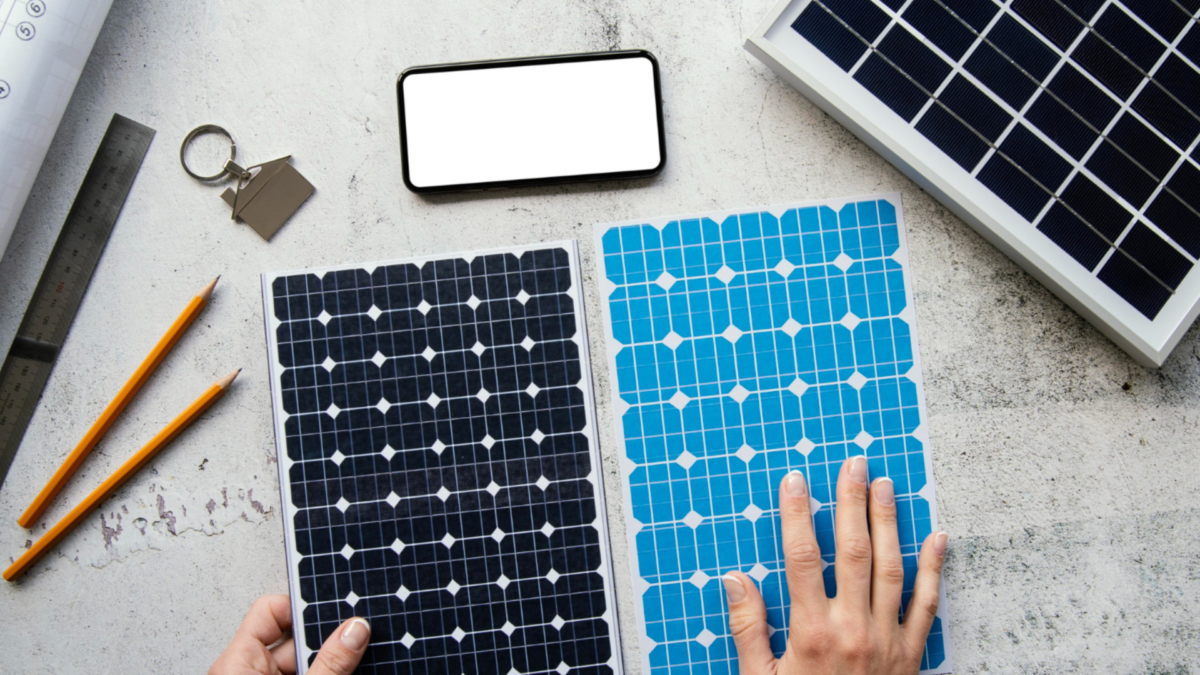
Made from single-crystal silicon give them a uniformly dark color, monocrystalline solar panels have a high efficiency that typically ranges from 15% to 22%. Their smaller footprint compared to other types makes them ideal for installations where space is limited. Compared to the other two solar panels, the monocrystalline has a longer lifespan and better performance in low-light conditions. That said, these are generally more expensive than polycrystalline panels.

Polycrystalline (multi-crystalline) Solar Panels

Polycrystalline solar panels are made from silicon crystals melted together, giving them their textured blue appearance. They are slightly less efficient than monocrystalline panels, typically ranging from 13% to 17%. Although they come with a lower manufacturing cost, making them a cost-effective option, they have a larger footprint than monocrystalline panels, requiring more space for installation.

Thin-film Solar Panels

Made by depositing thin layers of photovoltaic material (such as amorphous silicon, cadmium telluride, or copper indium gallium selenide) onto a substrate like glass or plastic, the thin-film solar panels have lower efficiency compared to crystalline silicon panels, ranging from 7% to 15%. Lightweight, flexible, and often aesthetically pleasing, these solar panels suit unconventional installations and applications. Although less affected by high temperatures, these panels need more space for installation due to lower efficiency.

Does Size Matter?

Of course! However, the answer to this question is not a straightforward one. There are two factors that you need to consider:

  • The dimensions of the panel – height x width measured in meters or centimeters.
  • The maximum power output of the panel – measured in wattage, or ‘W’

The size of a solar panel directly impacts the number of solar cells that can fit onto the panel. This also determines how much electricity can be generated from captured solar power. Solar panels come in different sizes depending on what they’re for. For example, ones made for businesses are usually bigger than ones for homes. This is because businesses usually have more room on their roofs for bigger panels, so they can use more of them.

Understanding Solar Panels

Solar panels comprise small squares called solar cells. These square-shaped cells convert sunlight into electricity. The more the number of cells a panel has, the greater its capacity to generate electricity. Earlier, cells were usually 156mm x 156mm, but now, with technological advancements and rising demands, panels are getting bigger.

Solar Panel Width Height Depth
60-cell 39” 66” 1.3” – 1.6”
72-cell 39” 77” 1.3” – 1.6”
96-cell 41.5” 62.6” 1.38”

Residential Solar Panels

Home solar panels are usually made of 60 solar cells (or 120 half-cut solar cells) and can produce electricity from 250W to 400W. They come in varied sizes, ranging from 1.6m tall by 1.0m wide to 1.7m tall by 1.0m wide. One of the more popular residential solar panels are 1.7m tall by 1.0m wide. These solar panels cover an area of 1.7 square meters and can make up to about 330W of power.

Reduce your electricity bills upto 90% with Fenice


Get an Estimate

Commercial Solar Panels

Commercial solar panels are designed for businesses and come with 72 cells. They are 30% larger than residential ones and normally measure around 2.1 meters tall and 1.1 meters wide, covering an area of about 2.3 square meters. These big panels are mostly used to generate solar power for big buildings or solar farms. However, if there’s enough space, they can also power smaller homes.

Half-cell Panels

On half-cell panels, you might see 120 smaller solar panels (as big as regular 60-cell panels) or 144 smaller solar panels (as big as regular 72-cell panels). These smaller panels are called half-cell panels because their solar cells are cut in half. This change helps the panels produce the same amount of energy while making it easier for electricity to flow through them, making them work better. Most new solar panels now use this technology. These smaller panels are about the same size and weight as the regular ones.

Now that you know the approximate size of a standard solar panel, let us take a quick look at the table that indicates the roof space you will need for different-sized solar systems made up of standard 1.7m2 solar panels.

Please note that this is just a rough indication. You would need accurate measurements to equip your terrace solar panels.

Solar Panel System Size Number of Solar Panels Required Approximate Roof Space Required (m2) Wattage Per Year (Calculated at 
2kW 6 12 2,800kWh
3kW 9 17 4,200kWh
4kW 12 23 5,600kWh
5kW 15 28 7,000kWh
6.6kW 20 38 9,240kWh
8kW 24 45 11,200kWh
10kW 30 55 14,000kWh

Weight of Solar Panels

Now that you have decided to have solar panels installed, you should consider the weight of solar panels for two main reasons:

  1. The roof or structure where the solar system is installed must be strong enough to hold the weight.
  2. Carrying and installing the panels should be easy, especially on roofs.

For example, a regular 60-cell solar panel weighs about 18kg (40 pounds), while a 72-cell solar panel weighs about 23.5kg (52 pounds). 72-cell panels are taller and harder to handle, making installing them on a roof tough.

Furthermore, because of their larger size, 72-cell panels can be more affected by strong winds during installation.

So, it’s crucial to consider the weight of solar panels when picking a system and planning its installation in India.

Factors Affecting Solar Panel Sizes and Wattage

Many things affect how big and powerful solar panels are. This includes new technology, where you live, and how you set them up. As technology gets better, panels can make more power while being smaller. This makes it easier to put them in different places and make more energy. Also, where you live decides how much sunlight your panels get and how much energy they can make. So, it helps pick the right size and power for your panels.

The Formula

To understand how big a solar panel is required for your home or business, follow the steps below:

  • Determine your monthly energy usage (in kilowatt-hours).
  • Calculate the number of hours of sunlight received per day.
  • Consider the efficiency of the solar panels.
  • Use the formula: Monthly energy usage ÷ (Sunlight hours per day × Solar panel efficiency) to estimate the required wattage for your solar panels.

Wrap Up

In short, knowing how big solar panels are and how much power they make is really important for getting the most energy and making your solar investment work well. If you think about things like what type of panel you need, how efficient it is, and what you need to install it, you can make smart choices that match what you want for your energy and how much you want to spend. Whether you’re someone with a house who wants to be greener or a company looking for clean energy, using solar panels can help make the future cleaner and better.

Categories
Solar Panels

Top 10 Indian Solar Panel Manufacturers 2024

Top 10 Indian Solar Panel Manufacturers 2024

With the world moving steadily towards renewable sources of energy, solar power has taken a prominent place in the global energy market. With its vast potential for solar energy, India is not far behind in the race. With an ever-growing emphasis on renewable energy and a growing market for the same, solar panel manufacturers in India are at the forefront of innovation and efficiency. 

As you read further, you’ll get an in-depth look at some of the top solar panel manufacturers in India. These solar panel manufacturing companies in India are the champions of solar energy. They are not only lighting up homes and businesses across the nation but also paving the way for a cleaner, greener future.

Top 10 Solar Panel Companies in India

As the Indian solar energy sector is heating up to derive almost 50% of its energy from renewable sources, let us look closely at the solar companies pushing India to a bright solar future.

1. Fenice Energy

fenice energy logo

One of India’s leading solar companies, Fenice Energy, has pioneered in the solar energy sector. With expertise in end-to-end solar solutions for over two decades, the company is committed to making solar energy accessible to everyone. Fenice Energy offers a wide range of products, from rooftop solar panels and solar inverters to cutting-edge EV charging services. The company understands that moving to a solar-powered energy program is not cheap and has partnered with leading banks and NBFCs (Non-Banking Financial Companies) to make solar energy accessible and affordable. With an impressive portfolio of clientele, Fenice Energy is on a relentless pursuit of eco-friendly innovation.

2. Premier Solar Systems Pvt Ltd

Premier Solar Systems Pvt. Ltd., another name that stands tall among India’s top solar panel manufacturers, is recognized for its cutting-edge technology and unwavering dedication to quality. With a decades-long history, the company specializes in solar photovoltaic modules and solar water pumping systems. Its commitment to sustainability extends beyond its products and with a focus on eco-friendly manufacturing processes, Premier Solar continues illuminating the path towards a greener future.

3. Novasys Energy

Set up in the heart of India, Nagpur, Novasys Energy has an illustrious history of over 30+ years. The company manufactures high-efficiency solar PV modules using advanced Mono PERC and Bifacial technology. Catering to clients from small domestic systems to large industrial projects, Novasys Energy is one of the top solar panel manufacturers in India. In the words of Mr. Sushil Bansal, Founder and Managing Director, “ We have set our sights on creating top-of-the-line products for the future of energy generation, harnessing the power of solar technology.” (sic)

4. Emmvee Solar Systems

Born from an idea to implement green energy to better use, Emmvee Solar Systems makes solar energy products amalgamating cutting-edge technology and smart innovation for sustainable living. Headquartered in Bangalore, Emmvee Solar Systems has a state-of-the-art solar module manufacturing facility with a 500 MW production capacity that produces a large number of solar products without compromising on quality.

5.Vikram Solar Limited

With a presence across 32 countries, Vikram Solar Limited is one of the largest solar panel manufacturing companies in India. With over a decade of experience, Vikram Solar Limited has implemented projects across the length and breadth of the country in both commercial and residential sectors. In fact, Vikram Solar Limited was the first company in India to commission a floating solar PV plant of 10 kW.

6. Waaree Energies

Formed in 1989, Waaree Energies Ltd is a Mumbai-based corporation with over 360+ locations in India and 68 overseas countries. It is one of the top solar panel-making companies in India, with stunning 2 GW module production facilities in Surat.

Waaree Energies is also the first organization in the country to have an in-house NABL Lab Facility. With over 32 years of expertise, they provide EPC services, project development, solar water pumps, solar rooftop solutions, independent powerhouses, and various other services.

7. Tata Power Solar Systems

Tata Power Solar Systems is a prominent industry leader in the solar energy business from the house of TATA. Recognized for its excellence in producing top-tier solar panels within the Indian market, the company has successfully delivered an impressive 1.4 GW of solar modules globally over the last two decades. With a diverse product portfolio that includes solar PV modules, solar rooftop solutions, and solar water pumps catering to a wide range of applications, Tata Power Solar stands apart because of its commitment to innovation. The company strongly focuses on research and development to drive continuous improvement and efficiency gains.

8. Adani Solar

Adani Solar is a subsidiary of Adani Enterprises Ltd. and is a prominent entity among the top 15 utility solar power developers globally. Located in Mundra, Gujarat, the company boasts a robust manufacturing infrastructure and a cumulative capacity exceeding 1.5 gigawatts for solar cells and modules. With a robust portfolio of solar PV modules and solar power solutions, Adani Solar focuses on research and development. The company continually strives to push the boundaries of solar technology, driving efficiency and performance to new heights.

9. RenewSys India Pvt. Ltd

Specializing in producing solar modules and essential components such as solar PV cells, black sheets, and encapsulants, RenewSys Solar has been catering to the renewable energy needs of over 40 nations worldwide. The company has two state-of-the-art manufacturing facilities in India that have helped cement its position as a global solar energy modules provider. The company’s commitment to quality and innovation underscores its significant contribution to the advancement of sustainable energy solutions internationally.

10. Loom Solar

Established in 2018, Loom Solar is one of India’s leading solar panel-making companies specializing in mono-perc solar panels and lithium batteries. Based out of Faridabad, Haryana, this company has an impressive manufacturing capacity of 100 MW. The company is currently slated as the fastest growing solar panel manufacturer in the country with a wide range of solar panels from 10 watts to 450 watts super high-efficiency panels.

The Road Ahead

With the government lending strong support for renewable energy through favorable policies, the future looks bright for the solar panel manufacturing industry in India. With the increasing global demand for sustainable solutions, these top 10 solar panel manufacturers are poised for unprecedented growth. Their role in India’s energy transition is undeniable, and their contributions will be key to achieving the country’s ambitious renewable energy targets.

Final Thoughts

The companies mentioned above are not only solar panel manufacturers but also the vanguard of the renewable energy revolution. These firms, along with similar manufacturers, are driving innovation, sustainability, and progress. As we stride ahead with our efforts to combat climate change and reduce our carbon footprint, these stalwarts are helping harness the power of the sun and aid in creating a greener world for the generations to come.

Categories
Solar Panels

Guide to Pradhan Mantri Solar Panel Yojana -Benefits & Eligibility

22nd January 2024 was a great day for India — not only did our honourable Prime Minister, Shri Narendra Modi, inaugurate the Ram Mandir at Ayodhya after a prana pratishtha (consecration) ceremony but also announced the ‘Pradhan Mantri Suryodaya Yojana’, a government scheme under which one crore households will get rooftop solar power systems. The pradhan mantri solar panel yojana would not only reduce the electricity bill of the poor and middle class but would also make the country self-reliant in the energy sector.

Reduce your electricity bills upto 90% with Fenice


Get an Estimate

“Today, on the auspicious occasion of the consecration in Ayodhya, my resolve has been further strengthened that the people of India should have their own solar roof-top system on the roof of their houses. The first decision I have taken after returning from Ayodhya is that our government will launch ‘Pradhanmantri Suryodaya Yojana’ with the target of installing rooftop solar on one crore houses. This will not only reduce the electricity bill of the poor and middle class but will also make India self-reliant in the field of energy,” Mr. Modi tweeted from his account.

In this article, we give you more details about what the Pradhan Mantri solar yojana is, what are it’s benefits, whom is it for, and other details.

What is Pradhan Mantri Solar Panel Yojana?

This visionary scheme introduced by the Indian Government aims at providing rooftop solar panels to one crore households, from poor to middle-class families. These rooftop solar panels will be installed on the rooftops of houses and will use sunlight to make electricity. Rooftop solar panels are panels that change sunlight into electricity. They’re put on the roof and connected to the main power supply. This means less electricity from the grid is needed, which saves money for the people using them. In February, the Prime Minister officially launched the scheme under the name, Surya Ghar Muft Bijli Yojana. The Pradhan Mantri free solar panel yojana will help these families save money on their electricity bills and also make India less dependent on other countries for energy. This scheme is an important rollout from the government of India because in a solar rooftop system, there is only an upfront capital investment with minimal cost for maintenance. In fact, several states are offering subsidies to facilitate its implementation. Know More About Rooftop Solar Panels

Who Can Apply (Eligibility) for the Pradhan Mantri Solar Panel Yojana?

As mentioned before, the citizens (with yearly income up to Rs. 1 to 1.5 lakhs) who are under the poverty line (BPL) or belong to the middle-class are eligible for the Pradhan Mantri Solar Yojana. This initiative offers a prime opportunity for those contemplating rooftop solar installation, not only to embrace sustainable energy but also to realize substantial electricity savings within their homes.


Despite the promising commencement of rooftop solar plant installations in states like Uttar Pradesh, Bihar, Rajasthan, Maharashtra, and Madhya Pradesh, there appears to be a lack of widespread public enthusiasm for the endeavor, despite its potential benefits. Under this scheme, the central government extends a significant 40% subsidy for the installation of solar panels with a 3-kilowatt capacity. For those opting for a larger 10-kilowatt capacity, a still substantial 20% subsidy is available. Neeraj Kuldeep, Senior Programme Lead at the Council on Energy, Environment, and Water, underscores the immense potential for rooftop solar installations in both rural and urban areas across India. Research suggests that more than 640 gigawatts of rooftop solar plants could be installed in homes, highlighting the substantial scale of this initiative. Currently, around 7 to 8 lakh households have already adopted rooftop solar, benefiting from the government’s capital subsidy program. Kuldeep emphasizes the positive impact of a significant increase in rooftop solar installations, estimating that a 12-14x surge could add 20-25 gigawatts of solar power capacity. Besides environmental benefits, this surge could help states save on power subsidies and contribute to the financial health improvement of power distribution companies. Since 2022, an online portal has been accessible on the official website for individuals interested in applying for home solar plant installations. The application process entails providing essential details such as state name, electricity bill number, mobile number, email ID, and the name of the electricity distribution company.

Benefits and Objectives of the Pradhan Mantri Suryodaya Yojana

Let’s take a quick glance about the PM Suryodaya Yojana.

  • Objective -Help citizens economize on electricity savings.
  • Program Details -Offers 300 units of complimentary electricity. -Subsidizes 60% of the cost for installing panels up to 2 kilowatts. -Extends a subsidy of Rs 18,000 per kilowatt for 500 kilowatts. -Benefits electric vehicles (EVs) and RWA/group housing societies.
  • Aims To -Promote renewable energy adoption. -Reduce carbon footprints. -Incentivize sustainable practices in residential and transportation sectors.
  • Beneficiary Savings -Even after paying loan installments from electricity bill savings, beneficiaries will save money. -Example: Installing a 3 kW rooftop solar plant could save over Rs 15,000 annually.
  • Scale -Rooftop solar panels to be installed on 1 crore houses. -300 units of free electricity provided.
  • Subsidy and Loan Details -60% subsidy available for up to 2 kilowatts. -Loans for rooftop solar available at affordable interest rates. -Interest rate set at 0.5% above the repo rate. -Rs 18,000 per kilowatt subsidy available for EV and housing societies.

How to Apply for the Pradhan Mantri Suryodaya Yojana

Joining the PM Suryodaya Yojna is very simple. Individuals / families who wish to avail the benefits of this scheme can apply online at https://pmsuryaghar.gov.in/. Once applied, they can pick their preferred solar vendor and rooftop solar setup easily. Once the installation process is complete, the power meter from DISCOMs will be set up and its confirmation will be shared online. Post this, the subsidy will be directly sent to the applicant’s bank account. The government also offers loans for the remaining solar panel costs through the same portal. Banks provide these loans with interest rates not exceeding 0.5% above the repo rate.

Documents Required to Avail Pradhan Mantri Solar Panel Yojana

If you wish to avail the benefits of any solar scheme, then for this you will need the below-mentioned documents: -Aadhar card -Income certificate -Domicile certificate -Necessary documents related to the land you own and on which the solar panels need to be installed. -Electricity bill -PAN card -Bank passbook -Passport size photograph image of pradhan mantri suryodaya yojana

Closing Thoughts

The government’s efforts to promote rooftop solar power systems in India have a history dating back to the initiation of the Rooftop Solar Programme in 2014, with the aim of reaching a capacity of 40 GW by 2022. However, this target was not achieved, leading to an extension of the deadline to 2026. The recent introduction of the Pradhan Mantri Suryodaya Yojana signifies a renewed effort to meet the 40 GW rooftop solar capacity goal. According to the latest World Energy Outlook by the International Energy Agency, India faces a significant increase in energy demand over the next three decades. To address this, India aims to diversify its energy sources beyond coal, with a commitment to achieving 500 GW of renewable energy capacity by 2030. Given this context, expanding solar power capacity is essential. Although the nation has made substantial progress in solar power, with capacity increasing from under 10 MW in 2010 to 70.10 GW by 2023, this growth underscores the importance of further developing solar energy infrastructure to meet the country’s energy needs.

Categories
Solar Panels

How to get a quote in a few simple steps for solar rooftop system?

Invest in solar panels, and you are not just buying energy — you are investing in a cleaner, brighter future for everyone. Solar panels use sunlight to produce electricity for your home and business. It will slash your energy bills and reduce your carbon footprint. Plus, they are low-maintenance and can last for decades, saving you money in the long run. Therefore, you can cut down your expenses significantly. 

If you are buying solar panels, you must take quotes from different installers before finalizing your decision. Here are a few simple steps that will help you to get solar rooftop quotes from different service providers.

Steps to Get Quotations for Solar Installation

Research Solar Companies

Researching solar companies is essential for obtaining a quotation for solar systems. Start by evaluating their reputation, experience, and certifications. Consider their specialization, whether residential, commercial, or industrial. You must always ensure that they offer comprehensive services from consultation to maintenance. Assess the quality of their solar panels and equipment. Also, you should prioritize companies with excellent customer service, clear communication, and transparency. A reputable company will ensure a smooth and successful transition to solar energy.

Schedule Consultation

Schedule a consultation for obtaining solar energy quotations once you have finalized a few good companies. During the initial consultation, a representative will share all the details over a call. They will discuss your energy needs, goals, and any specific requirements you may have. This meeting allows the company to gather essential information to provide you with accurate quotes. It also gives you the opportunity to ask questions, express concerns, and ensure that you fully understand the solar installation process. 

Property Assessment

During your property assessment, a qualified representative from the solar company will visit your property to evaluate its suitability for solar installation. They will assess factors such as roof orientation, shading, structural integrity, and available space for solar panels. This assessment is essential for designing a solar energy system that maximizes energy production and efficiency. By conducting a thorough property assessment, the experts can ensure a seamless and successful solar roof top system installation process.

Energy Needs Discussion

During this consultation, the solar company will work with you to understand your current and future energy needs. The experts will analyze your historical energy usage, lifestyle patterns, and any specific energy goals you may have. By discussing your energy needs in detail, the solar company can recommend the appropriate size and configuration of the solar system to meet your requirements. This personalized approach ensures that the solar solution proposed aligns perfectly with your energy goals and helps you maximize the benefits of solar energy for your home or business.

Solar System Options

The solar company will present you with various solar system configurations based on your property and energy needs. These options may include different types of solar panels as well as options for mounting systems and inverters. The company will explain the features and benefits of each option. It will help you make an informed decision based on factors like efficiency, durability, and cost-effectiveness. By offering a range of solar system options, the company ensures that you can choose the solution that best fits your budget and preferences.

Detailed Quote Preparation

Once the experts have all the details about your needs, they will carefully calculate the cost of equipment, installation, warranties, and any additional services required for your specific project. By providing a detailed breakdown of all expenses and potential savings, the experts help you to make an informed decision about investing in solar energy for your home or business.

Warranty Information

Understanding warranty information is crucial. Solar panels come with two main types of warranties: a performance warranty and a product warranty. The performance warranty guarantees that the panels will maintain a certain level of energy production over a specified period, usually 25 years. The product warranty covers defects in materials and workmanship and typically lasts between 10 to 25 years. Additionally, inverters, mounting hardware, and other components may have their own warranty coverage. It is important to carefully review the warranty terms offered by each solar company to ensure adequate protection for your investment. A reputable company will provide transparent warranty information and offer extended warranty options for added peace of mind.

Government Subsidies

Understanding government subsidies is essential when obtaining quotes for solar rooftop systems. Many governments offer incentives and subsidies to encourage the adoption of solar energy. These subsidies make solar panels more affordable for homeowners and businesses. The availability and eligibility criteria for subsidies vary depending on your location and the specific program. Visit the government’s official site to research and take advantage of any subsidies available in your area. Your supplier can provide guidance on available subsidies as well. 

Decision Making

The decision-making stage is the final step! After reviewing all the information provided by the solar companies, including energy quotes for new house, system options, warranties, and potential subsidies, it is time to make a well-informed decision. Consider factors such as the overall cost, system performance, warranty coverage, and the reputation of the solar company. Evaluate how each option aligns with your energy goals, budget, and long-term sustainability objectives. Make sure that you do not make the decision solely based on budget. 

Never hesitate to ask questions or seek clarification from the solar company to ensure you fully understand the implications of your decision. Once you have all the quotes for solar panels, proceed with scheduling the installation of your solar energy system with the company you like the most!

Categories
Solar Energy Solar Inverter Solar Knowledge Solar Panels Solar Policy Solar Power

What is a Hybrid Solar System?

You’ve probably heard about solar power and its incredible potential to revolutionize energy consumption. But have you ever considered taking it a step further with a hybrid solar energy system? Unlike traditional solar setups, which solely rely on photovoltaic panels to harness sunlight and convert it into electricity, hybrid systems integrate additional elements to enhance efficiency and reliability. 

Picture this: while conventional solar systems operate solely during daylight hours, hybrid modular solar homes introduce battery storage solutions. This means that when the sun sets, or during cloudy periods when solar generation dips, stored energy can be tapped into, ensuring a continuous power supply. In essence, a hybrid solar system offers the best of both worlds, combining the clean, renewable energy of solar with the flexibility and security of backup storage. 

So, if you’re looking to maximize energy independence and minimize reliance on the grid, a hybrid solar system might just be the ideal solution for you.

So, What are Hybrid Solar Systems?

When it comes to powering your home or business with solar energy, you have options beyond the traditional setup. Enter the solar panel hybrid system, a smart integration of solar panels with additional components like batteries and sometimes even a backup generator. So, what exactly is a hybrid solar system and how does it work?

Imagine a typical day: the sun shines, and your solar panels soak up its rays, converting sunlight into electricity to power your appliances and lights. But what happens when the sun sets or during cloudy weather? This is where the hybrid system shines. 

But wait, there’s more. Some hybrid systems also include a backup generator as an extra layer of security. In the event of an extended period of low sunlight or a power outage, the generator kicks in to keep your lights on and your devices running.

A hybrid solar system for home offers the reliability of grid-tied solar with the added flexibility and security of battery storage and backup generation. It’s a versatile solution that maximizes the self-consumption of solar energy, reduces reliance on the grid, and provides peace of mind during outages. 

Here are the components of hybrid solar system

  1. Solar Panels: These photovoltaic (PV) panels are installed on rooftops or ground-mounted structures to capture sunlight and convert it into electricity. The number of panels depends on the energy requirements of the system.
  2. Charge Controller: A hybrid solar setup has a charge controller that regulates the flow of electricity from the solar panels to the batteries, preventing overcharging or deep discharging, thus extending battery life.
  3. Battery Bank: Batteries store excess energy generated by solar panels for later use. Common types include lead-acid, lithium-ion, or saltwater batteries, chosen based on the cost, lifespan, and maintenance requirements.
  4. Hybrid Inverter: Also known as a bidirectional or multi-mode inverter, this device manages the flow of electricity between the solar panels, batteries, and the electrical grid. It converts DC power from the panels into AC power for household use, charges the batteries when excess energy is available, and can also draw power from the batteries or the grid when needed.
  5. Backup Generator (optional): In some hybrid systems, a backup generator is included to provide additional power during extended periods of low sunlight or when battery storage is depleted. This ensures uninterrupted electricity supply, especially in areas with unreliable grid connections.
  6. Monitoring System: Hybrid solar system components include a monitoring system that tracks energy production, consumption, battery status, and overall system performance in real-time. It helps users optimize energy usage, identify potential issues, and maximize the efficiency of their hybrid solar system.

By integrating these components, a hybrid solar system offers greater flexibility, reliability, and energy independence compared to traditional grid-tied or off-grid systems. Thus, making it an ideal choice for homeowners and businesses seeking to harness renewable energy while maintaining access to grid power when needed.

A Difficult Choice Lies Ahead: Comparing Hybrid Solar Systems with its Counterparts

Choosing between a normal solar system and a hybrid solar system boils down to your specific needs, preferences, and circumstances. Let’s delve into the essence of each to help you make an informed decision.

First, let’s talk about the normal solar system. This setup consists of solar panels connected to an inverter, which converts sunlight into usable electricity for immediate consumption. Normal solar systems are great for harnessing renewable energy and can significantly reduce your electricity bills by reducing your reliance on grid-supplied power. They’re particularly advantageous if you have consistent sunlight throughout the day and don’t experience frequent power outages. Additionally, depending on your location and energy usage, you may be eligible for government incentives or rebates for installing solar panels, further enhancing the financial appeal of a normal solar system.

On the other hand, hybrid solar energy units offer additional features that can be beneficial in certain scenarios. By incorporating battery storage, hybrid systems allow you to store excess solar energy. This maximizes your use of solar energy, making hybrid systems ideal for areas with unreliable grid power or frequent blackouts. Moreover, hybrid systems offer the flexibility to scale up your energy storage capacity over time, accommodating future changes in your energy needs. 

So, which one should you choose? Consider factors such as your location, energy consumption patterns, budget, and reliability of grid power. If you live in an area with ample sunlight and reliable grid power, a normal solar system may suffice to meet your energy goals. However, if you prioritize energy independence, backup power during outages, and maximizing utility, a hybrid solar system may be a better option for you.

Ultimately, the choice between a normal solar system and a hybrid solar system depends on finding the right balance between cost, reliability, and sustainability for your specific circumstances. Weighing the benefits of hybrid solar system and considerations of each can help you make a decision that aligns with your energy needs and priorities.

Conclusion

A hybrid solar setup represents a sophisticated approach to renewable energy utilization, combining the clean power of solar panels with the flexibility of battery storage. Through this integration, we can harness solar energy more effectively. Whether you prioritize energy independence, environmental sustainability, or simply want to lower your electricity bills, a hybrid solar system offers a versatile solution tailored to your needs. So, which one would you prefer to install? Let us know by getting in touch with us.


Categories
Solar Solar Energy Solar Inverter Solar Panels Solar Policy

What is off-grid solar system?

Do you know? No more we need the grid to supply electricity to power our residential/commercial loads!

Yes, right! we can avail of this with an “off-grid solar energy system”

At many remote/rural locations such as a farmhouse or cottages, access to the grid is a difficult and costly task, we often experience a frequent power failure and yes we know how irritating it is!

Solar energy ends up being the most productive and solid sustainable power source with a series of economic benefits to cater to all your loads.

The off-grid solar energy system is a popular choice in places with frequent power cuts and remote areas where access to the grid is difficult.

You must be wondering how this solar energy works without connecting to the grid, and what are the pros and cons, is it worth installing this solar energy system, how an inverter works in an off-grid system?

Well in this article we have tried to answer all your questions and enhance your knowledge about the off-grid system.
What is an off-grid solar system?

Off-Grid Inverter

How to connect an off-grid inverter?

An inverter is placed between the solar panel and the loads. The inverter is not directly connected to the solar panel, it is assembled with a solar battery and the charger to control the energy supplied to the inverter from the solar array.
Optional generators such as diesel, fuel etc can be added with the inverter to supply energy in case the solar battery gets exhausted or if the solar panels operate below the required efficiency level.

How does an off-grid inverter work?

The DC power generated from the solar panel or solar battery is supplied to the inverter, the inverter consists of a capacitor and inductor circuit that opposes the sudden change in its direction and the current begins to rise and fall thus generating the sinusoidal waveform. The generated waveform is either a pure or modified waveform.
With the basic conversion function, the inverter also functions as a monitoring device, it is used to record and store the solar PV system data.

The advanced inverter is equipped with a maximum power point function to ensure optimum tracking of solar radiation.
For a place where a power halt can cause a huge loss, an inverter can be equipped with a generator and solar battery to ensure a continuous power supply.

Types of off-grid inverter:

Off-grid inverter depending on the output waveform is divided into the following three types:

1. Pure sine wave inverter
2. Modified sine wave inverter
3. Square wave inverter

1. Pure sine wave inverters: Pure sine wave also known as true value inverter comes with a stable sine wave output i.e. it generates continuous repetitive oscillations in both positive and negative directions. It proves to be a good choice for sensitive electronic appliances. Depending on the frequency it is further classified as :

• Low frequency: This inverter generates a high starting current, hence it proves to be more beneficial for compressors and air-conditioners that can be used for long run time.

• High frequency: These inverters are reliable and efficient with an ability to run both inductive as well as resistive load as compared to modern sine wave inverters. They are free from electromagnetic pollution and offer a higher power conversion rate with minimum losses.

2. Modified sine wave inverter: This type of inverter though is less expensive but comes with a distorted waveformi.e they have a time interval between the maximum positive and maximum negative point. They are also technically termed modified square wave inverters. This inverter is not recommended for an inductive load (this kind of loads run on electromagnetic principles and requires a high starting current) such as compressors, relays, motors, fluorescent lamps etc as it causes excessive heating that may affect the durability of the appliances. Due to its low cost, one can use it for small devices but are not recommended for the renewable energy system.

3. Square wave inverter: These inverters generate poor quality unstable square wave AC output which will affect the durability of the inverter as well as the load. These inverters are not currently used due to their instability and the generation of harmonic distortion.
Confused between pure and modified sine wave inverters? Let us check some basic differences between these two.

From the above discussion, one can surely see that a pure sine wave inverter is a better choice but if the cost is the criteria and you are not a frequent user one can choose a modified sine wave inverter.

Now once you are aware of the difference between this inverter, the other point that might strike you is how to select the inverter, what criteria should one use to select the inverter.

How to select off-grid inverters for your home?

While choosing any inverter one needs to know some basic technical terms (link to be given) like power, energy rating, efficiency etc. Let us consider a few below points that one must check before selecting the inverter.

1. Types of target appliance: In the market varieties of inverters are designed depending on the appliance requirement, one should target the required appliances and choose accordingly.

2. Power Consumption: After the identification of target appliances, the next task is to calculate the total power consumption by these loads.

3. Once the total power consumption is identified a suitable inverter rating is to be selected, if we consider a 100% efficient inverter(with zero losses which is practically not possible) then the power requirement rating is equal to the inverter rating.
But in the practical condition, an inverter with a sufficient higher rating than the total load rating is selected.

4. Choice of an Inverter: The present market consists of an inverter with some advanced features such as remote control, inbuilt alarms, advanced cooling fans, etc for better durability and maintenance of the inverter.

5. An off-grid solar inverter ranges from less than 1kW for small appliances to more than 16kW for commercial buildings.

Advantages:

1. Independent of grid
2. The output voltage can be regulated as it is not loaded dependent
3. Easy to install in remote areas where connectivity to the grid is a tough task
4. Reliable as power can be stored in batteries
5. Synchronisation of voltage and frequency between grid and inverter is not required

Disadvantages:

1. Grid connection is not available
2. More complex in installation
3. Limited backup hours

Full Name
Full Name
Full Name