Categories
Solar Panels

Rooftop Solar for Homes in India: A Smart Way to Reduce Your Electricity Bills

Rooftop solar has rapidly become one of the most popular renewable energy solutions for homeowners in India. Rising electricity prices, government incentives, and increasing environmental awareness are driving this shift toward clean energy.

In fact, India added around 7.1 GW of rooftop solar capacity in 2025, more than double the installations of the previous year, largely driven by residential adoption and government subsidy programs.

Companies like Fenice Energy are helping homeowners transition to rooftop solar systems that reduce electricity bills while contributing to a cleaner energy future.

Why Rooftop Solar is the Biggest Trend for Indian Homes

Several factors are making rooftop solar increasingly attractive for homeowners.

  1. Government Subsidies Make Solar More Affordable

The Indian government offers financial support through residential solar subsidy programs. Homeowners can receive up to ₹78,000 subsidy for rooftop solar installations, significantly lowering the upfront cost.

This has made solar power accessible to middle-class households across cities and towns.

  1. Rising Electricity Tariffs

Electricity costs have steadily increased in many states. Rooftop solar helps homeowners generate their own electricity, reducing dependence on the grid and protecting against future tariff hikes.

  1. Long-Term Savings

Solar panels typically last 25 years or more, meaning homeowners can enjoy decades of lower electricity costs after the initial investment.

How to Get the ₹78,000 Subsidy for Rooftop Solar

The government subsidy for rooftop solar systems is available for residential consumers installing systems up to 3 kW and beyond.

Typical subsidy structure

Solar System Size Approximate Subsidy
Up to 3 kW Up to ₹78,000
3–10 kW Additional subsidy for first 3 kW

Steps to apply

  1. Register on the national rooftop solar portal.
  2. Choose an approved solar vendor.
  3. Install the rooftop solar system.
  4. Apply for inspection and net metering.
  5. Receive the subsidy directly in your bank account.

Solar companies like Fenice Energy assist homeowners through the entire process, including documentation and subsidy applications.

3kW vs 5kW Solar System: Which One is Right for Your Home?

Choosing the right solar system size depends on your electricity consumption and available rooftop area.

Feature 3 kW Solar System 5 kW Solar System
Ideal for Small to medium homes Larger homes or villas
Monthly generation ~350–400 units ~650–750 units
Rooftop area required 250–300 sq ft 400–500 sq ft
Typical use Basic appliances, fans, lights, fridge ACs, appliances, higher consumption

A 3 kW system works well for homes with moderate power usage, while a 5 kW system is ideal for households with air conditioning and higher electricity consumption.

Zero Electricity Bill with Solar: Myth or Reality?

Many homeowners wonder if installing solar can completely eliminate their electricity bill.

The answer depends on a few factors:

  • Size of the solar system
  • Daily electricity consumption
  • Net metering availability
  • Seasonal sunlight variations

In many cases, a properly sized rooftop solar system can reduce electricity bills by 70–100%, especially for homes with high daytime energy use.

Some households even generate excess power that can be exported back to the grid.

How Net Metering Works for Homeowners

Net metering is a key benefit of rooftop solar systems.

How it works

  1. Solar panels generate electricity during the day.
  2. Your home consumes the power it needs.
  3. Excess electricity is exported to the grid.
  4. The exported units are credited to your electricity account.

At the end of the billing cycle, you pay only for the net electricity consumed after subtracting the solar power you exported.

This makes rooftop solar even more financially attractive.

Case Study: A Home in Chennai Saving on Electricity with Solar

A residential homeowner in Chennai installed a 5 kW rooftop solar system to offset rising electricity bills.

Before installing solar

  • Average monthly electricity bill: ₹7,500
  • Heavy usage due to air conditioning and appliances

After installing solar

  • Electricity bill reduced by nearly 80–90%
  • Average savings: ₹5,500–₹6,000 per month

Over the lifetime of the system, the homeowner is expected to save more than ₹15–18 lakhs in electricity costs.

Key Benefits of Rooftop Solar for Homes

Installing rooftop solar offers multiple advantages:

  • Lower electricity bills
  • Government subsidies and incentives
  • Reduced carbon footprint
  • Increased property value
  • Energy independence

With improved technology and supportive policies, rooftop solar has become one of the most practical investments for homeowners in India.

Why Choose Fenice Energy for Rooftop Solar

Fenice Energy provides end-to-end rooftop solar solutions for homeowners. Their services include:

  • Solar feasibility assessment
  • Customized system design
  • High-efficiency solar modules
  • Professional installation
  • Net metering and subsidy assistance
  • Long-term maintenance support

This ensures homeowners get a reliable solar system that delivers consistent performance and maximum savings.

The Future of Residential Solar in India

  • With strong government support and rising electricity costs, rooftop solar adoption is expected to grow rapidly in the coming years.
  • Millions of Indian homes are now exploring solar energy as a way to reduce expenses, increase energy independence, and contribute to a cleaner environment.
  • For homeowners considering the switch, rooftop solar is no longer just an environmental choice—it is also a smart financial decision.
Categories
Solar Panels Uncategorized

Solar for Commercial & Industrial Buildings: Reduce Electricity Costs by 40–60%

Electricity is one of the largest operational expenses for commercial and industrial businesses in India. With power tariffs steadily rising and sustainability becoming a priority, many businesses are turning to rooftop solar power as a reliable and cost-effective solution.

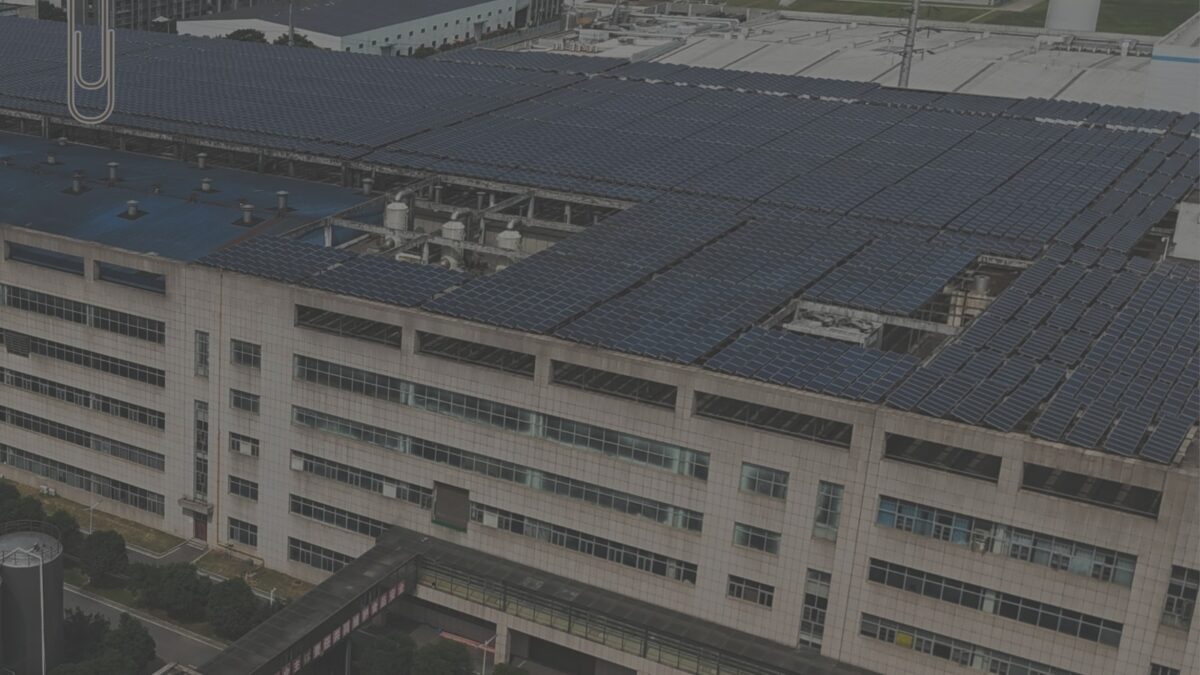
Today, commercial and industrial (C&I) consumers account for nearly 65% of rooftop solar adoption in India, largely because solar electricity is often significantly cheaper than grid power. For factories, warehouses, IT parks, and shopping malls, installing solar can lead to substantial savings while supporting long-term sustainability goals.

Companies like Fenice Energy help businesses transition to solar through customized rooftop solar systems, efficient installation, and flexible financing options.

Why Solar is Gaining Popularity in Commercial & Industrial Buildings

Businesses across sectors are increasingly investing in solar power for several reasons:

  1. Significant Reduction in Electricity Bills

Solar systems can reduce electricity costs by 40–60%, depending on the system size, energy consumption patterns, and available rooftop area.

For industries with heavy daytime consumption—such as manufacturing units and warehouses—solar power can offset a large portion of grid electricity usage.

  1. Protection Against Rising Power Tariffs

Electricity tariffs for commercial and industrial consumers often increase every year. Installing solar allows businesses to lock in lower power costs for 25 years or more, providing long-term financial predictability.

  1. Strong Sustainability Credentials

Many corporations now track their ESG (Environmental, Social, and Governance) goals. Solar installations help companies reduce carbon emissions while demonstrating environmental responsibility to customers, investors, and partners.

  1. Fast Return on Investment

Most commercial solar systems achieve ROI within 3–5 years, after which the electricity generated is essentially free for the remaining lifespan of the system.

Industries That Benefit Most from Rooftop Solar

Solar installations are particularly effective for businesses with large rooftops and high daytime electricity consumption.

Factories and Manufacturing Units

Manufacturing facilities often run heavy machinery during the day, making them ideal candidates for solar power.

Typical benefits include:

  • 40–60% reduction in electricity costs
  • Stable power supply during peak production hours
  • Improved sustainability compliance

Warehouses and Logistics Centers

Warehouses typically have large, unobstructed rooftops, making them perfect for solar installations.

Solar power can run:

  • Lighting systems
  • HVAC units
  • Automation equipment
  • Charging infrastructure

IT Parks and Office Complexes

Corporate offices can use solar to power:

  • Workspaces
  • Air conditioning systems
  • Data centers
  • Common area utilities

Installing solar also supports corporate sustainability commitments.

Shopping Malls and Retail Spaces

Large commercial complexes can significantly reduce operating costs by installing rooftop solar systems that power lighting, escalators, cooling systems, and parking infrastructure.

The OPEX Solar Model: Install Solar with Zero Upfront Cost

One of the most attractive options for businesses today is the OPEX (Operational Expenditure) solar model.

Under this model:

  • The solar system is installed and maintained by the solar provider.
  • The business pays only for the electricity generated.
  • There is no upfront investment required.

This allows companies to start saving on electricity costs immediately while avoiding capital expenditure.

Benefits of the OPEX model include:

  • Zero upfront cost
  • Reduced electricity tariffs
  • No maintenance responsibility
  • Predictable energy pricing

Many businesses choose this model to scale solar adoption across multiple facilities.

Case Study: Solar for a Manufacturing Unit

A mid-sized manufacturing company recently installed a 500 kW rooftop solar system to offset its high electricity usage.

Before Solar

  • Monthly electricity bill: ₹18–20 lakhs
  • High tariff exposure
  • Increasing operational costs

After Solar Installation

  • Electricity savings: around 45%
  • Annual savings: approximately ₹90 lakhs
  • Payback period: under 4 years

In addition to financial savings, the company also reduced its carbon emissions significantly.

Key Factors to Consider Before Installing Solar

Before implementing a rooftop solar system, businesses should evaluate several factors:

Rooftop Area and Structural Strength

The roof must have adequate space and structural capacity to support solar panels and mounting systems.

Energy Consumption Patterns

Solar systems perform best when energy consumption aligns with daytime generation.

Net Metering Policies

Depending on the state regulations, businesses may be able to export excess power back to the grid through net metering.

Quality of Components

High-efficiency solar modules, reliable inverters, and robust mounting structures are essential for long-term performance.

Why Work with Fenice Energy

Fenice Energy provides end-to-end solar solutions tailored for commercial and industrial clients.

Services include:

  • Energy assessment and feasibility study
  • Customized solar system design
  • High-efficiency solar modules and reliable mounting systems
  • Professional installation and commissioning
  • Operations and maintenance support

Fenice Energy helps businesses maximize energy savings while ensuring reliable system performance for decades.

The Future of Commercial Solar in India

India’s renewable energy transition is accelerating, and rooftop solar will play a major role in helping businesses reduce costs and carbon emissions.

With rising electricity tariffs and supportive policies, more factories, warehouses, and commercial buildings are expected to adopt solar power in the coming years.

For businesses looking to reduce operational costs while moving toward cleaner energy, rooftop solar is quickly becoming one of the smartest investments available.

Interested in installing solar for your business?
Get in touch with Fenice Energy to explore customized solar solutions for your commercial or industrial facility.


Categories
Solar Panels

Why Integrated Solar Kits Are Better Than Custom Solar Systems

Solar adoption is growing rapidly across India. Homeowners and businesses are facing a crucial decision: “should I choose a custom-built solar system or a pre-engineered solar kit?” While custom installations may appear flexible or cheaper, integrated solar kits in India offer significantly better performance, safety, and long-term reliability, especially given the Indian climate and grid conditions.

This guide explains why solar kits are the smarter, future-proof choice.

The Hidden Risks of “Mix-and-Match” Systems

When a system is pieced together from various vendors, the lack of a unified design often leads to hidden problems that only surface after the warranty period begins:

  • System Mismatch: If the panels and inverter aren’t perfectly synchronized, the system suffers from frequent power trips and energy loss.
  • Flimsy Foundations: Many custom setups use low-quality mounting structures that cannot withstand India’s intense monsoon winds or coastal cyclones.
  • Safety Hazards: Using substandard cables to save costs is a major risk; they often degrade quickly in high heat, leading to efficiency drops or even fire hazards.
  • Installation Human Error: Without a standardized manual, local installers often miss critical safety steps like proper earthing or the correct tilt for maximum sun exposure.
Precision Engineering for the Indian Climate

India’s environment is uniquely demanding. We face extreme summer temperatures with heatwaves, heavy dust, and frequent voltage fluctuations in the local grid. Integrated solar kits are engineered specifically for these “real-world” conditions. Every part is tested to ensure that the inverter handles grid spikes safely and the panels remain cool and efficient under the scorching sun. Because these systems are designed as one unit, they are faster to install, experience fewer breakdowns, and last significantly longer than their custom-built counterparts.

Invest in your Peace of Mind

At the end of the day, a solar system is a 25-year commitment to your property. Choosing a certified, pre-engineered solar kit ensures that your investment is protected by a unified warranty and a system that was built to work together. For a homeowner, this means lower electricity bills and zero headaches, ensuring that your transition to clean energy is a secure, long-term success.

Full Name
Full Name
Full Name