Categories
Solar

Solar Panels Price in India: Affordable Clean Energy for Your Home

Solar Panels Price in India: Affordable Clean Energy for Your Home

The demand for home solar panel systems in India keeps increasing every year due to a conscious eco-lifestyle and the aspiration to become energy-independent. One of the critical factors determining the final decision of the homeowners is the price of the installation. Our guide will reveal all the details concerning the 2024 installation price for a home solar panel system in India, so continue reading and get everything you need to make a knowledgeable investment choice.

Understanding the Basics of Home Solar Panel Systems

It’s also reasonable to get an idea of the solar panel system’s basic details before learning about the price aspects. A standard system includes solar panels, inverter, mounting structure, wiring, and batteries — for those planning to store the excess energy. The number of solar panels and the inverter’s capacity varies depending on several factors like the total energy consumption of the household and roof square feet. You can go over the specific features of solar panels in our previous blog post here

Average Solar Panel Prices in India

What are the average residential solar panel installation costs per region in India?

On average, the residential cost of solar panels in India constitutes from ₹1.5 lakh to ₹5 lakh. The most common selection for a solar panel system at home with a capacity of 3kW to 8kW will cost from ₹90,000 to ₹4,80,000, resulting from government incentives.

With that in mind, let us break down the costs to learn the expense distribution:

Solar Panels

There are a variety of other costs associated with renewable energy systems. Cost of solar panels is a major consideration. High-efficiency monocrystalline panels have a per watt cost higher than that of polycrystalline or thin-film panels. Generally, the cost of 1kW solar panels ranges from ₹45,000 to ₹70,000, depending upon wattage and type. 

Inverters

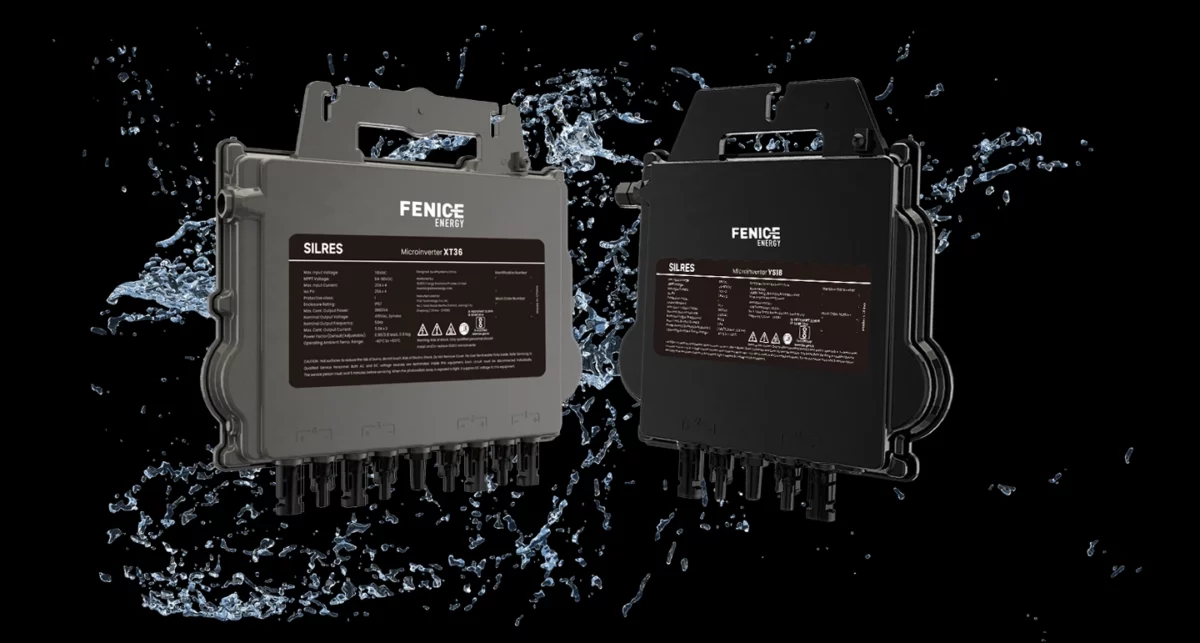
Inverters are another component expense. Microinverters are more expensive than string inverters. Considering the cost of inverters varies from ₹20,000 to ₹80,000 or more depending upon type and capacity.

Mounting Structures

The cost of mounting structures generally ranges from ₹10,000 to ₹50,000, depending upon complexity and type.

Batteries (Optional)

The expense of adding batteries is not included. The cost of batteries is anywhere between ₹20,000 to ₹1 lakh or more, depending upon capacity and brand. 

Quality of Components

Investing in high-quality components might have a higher cost, but performance and longevity would be good, costing 10% to 30% more than usual. 

Factors Impacting Solar Panel Prices in India

The factors influencing solar panel prices in India are geography, experience, and component quality.

Geographical location

Variations in solar panel costs from geography can be described as follows.

  • First, considering sunlight availability: Since it is more sanitising, sunlit regions have better electricity generation; as a result, solar panel cost in India is relatively lower.
  • Second, local regulations differ in permitting and inspection states, and they have wildly different permit and inspection regimes, impacting the cost of going solar.

Installer experience

High-quality installers do cost a bit more, but their experience can help them to get the job done.

Component quality

Component quality also varies. Although purchasing cheap solar panels and equipment might save you upfront costs, it will end up costing you in the long run.

Cost Breakdown of Solar in India

Now, with an understanding of the basics, let’s delve into the factors that contribute to the rooftop solar panels cost in India. Here are the components of the total cost:

Equipment Costs

Three factors make up the equipment costs of the investment:

  • Solar Panels: The key component of the entire system is that solar panels capture the sun’s rays and convert them into energy.
  • Inverters: This part trades the power generated by your panels from direct current (DC) to an alternating current (AC) used in your house.
  • Mounting and Racking: These are small-scale racking systems that secure the solar panel to the roof on your premises.

Installation Costs

The expertise of skilled installers ensures the proper setup and functioning of your solar system. The other charges subject to installation costs are,

The investment of skilled specialists in setting up the system for it to work correctly comprises the installation costs. Other factors that vary the installation costs are:

  • Permits and Inspections: Before installation, it will cost you to get an installation permit from your local authority as regulations and supervision fees.
  • Wiring and Electrical Work involve connecting a wire from your panels to your house to get the power.

Additional Costs

While solar systems in India require minimal maintenance, occasional cleaning and routine checks are advisable to ensure optimal performance. The physical size and power output of solar power systems play a vital role in their prices. Larger panels with higher wattage often come with a higher initial cost but can generate more electricity over time.

Government Incentives and Rebates in India

The government encourages instalments in India through stimulus funds and cuts. The services take about 20% to 90% of the installation cost, depending on your location and how they want to subsidise.

Solar Panel Price vs Savings in India

Is investing in solar panels financially viable in India? Let’s evaluate the potential financial benefits.

  • Solar panels can help you save money on electricity costs: Over time, solar panels cut down your monthly electricity costs significantly and sometimes remove them altogether.
  • Calculate the payback period, which is the time it will take to recoup your money with the total energy savings as well as potential earnings.
  • Your property’s worth increases: When you install solar panels, your property’s worth increases, encouraging potential buyers and investors in the long run.

For detailed information, you can view our blog on the benefits of solar panels for your home.

Future of Solar Panels in India

The future of solar energy in India is promising. With technological advancements and increasing awareness of environmental sustainability, the adoption of solar panels is expected to grow significantly. This growth may lead to further reductions in solar panel prices for homes, making them even more accessible to Indian households.

The future of solar power in India looks bright with technological advancements and increased emphasis on sustainability. This is due to a rise in the number of people opting to install solar panels, which would result in a decrease in solar panel pricing that is more within the reach of Indian homes.

  • Technology is improving: Developing technology will improve solar panels and their efficiency and production costs in the future. Get ready to receive a better performance soon.
  • More energy independence: Homeowners who rely on solar energy will obtain the opportunity to have an energy ecosystem dependent on traditional ways, such as using oil and gas. The situation will benefit the world in terms of reducing pollution.
  • Environmental advantages: You won’t only save money with solar panels, but you will also reduce your carbon footprint with less electricity generated from harmful sources. It assists in reducing atmospheric pollution.
  • Job creation is another benefit to the solar industry in India that arises as the use of these panels continues to rise, leading to the recycling of money within India.

In conclusion, the decision by a homeowner in India to install home solar panels in 2024 is complex due to the various systems that they can use and the method of installation chosen. Although the initial costs may seem high, once one considers the long-term goals and the advantages one obtains, they become almost meaningless.

Today is not too late to begin your solar journey. Let us make India a cleaner and greener nation!

Categories
Solar

Inverter price vs Panel price: Which is cheaper?

Most people think Solar power is expensive, but it is one of the most common misconceptions. This assumption restricts individuals with limited budgets from investing in solar energy. But that’s not true; consumers struggle to understand the cost of installing a solar energy system.
Solar panels and inverters are two primary components that consume a significant budget. So, it is crucial to consider which option is most cost-effective. That’s what we will discuss in this blog. We will dive deeper into comparing inverter prices vs Solar panel prices. Further, we will also determine the factors that influence the cost of each component. So, join us on this journey and maximize your savings in solar energy.

Comparing Costs: Solar Panels vs. Inverters

Before we dive into the main topic of solar panel costs vs inverter costs, let’s first learn about these components in detail. We will also investigate the various factors that influence the costs of these components.

Solar Panels

They are not only the first principal component but also the most expensive component of any solar power system. A solar panel consumes around thirteen percent of the total installation budget. With the market flooded with various options, finding the best solar panel is essential. Some solar panels are cheap, while others are expensive is due to the construction material. Affordable solar panels are less efficient and produce less energy. So, in cheap solar panels vs expensive solar panels, one must always prefer costly panels. This is because they are efficient, and you will need fewer panels to generate the same energy.

Additionally, the cheaper panels degrade much faster over time. This means that their production capacity decreases every year. For instance, they may lose 5-10 percent of their generating capacity after one year. On the other hand, an expensive panel is made from high-quality materials.

Inverters

The second essential component of the solar energy system is inverters. A solar inverter costs around 6 percent of the total solar installation. Inverters convert direct current into alternating current. As stated above, solar panels generate DC, which is useless in our homes because all our appliances are designed for the AC.

Here is a quick table for your reference:

Sr.No Average Cost Electricity generation
Solar Panel 17,000 USD to 23,000 USD It generates direct current electricity.
Solar Inverter For standard 5.6KW solar inverter price is:

Installation cost: 16,000 USD 

Operational cost: 1,000 USD

It converts the direct current into alternating current that can be used in our houses.

What’s more affordable depends on your unique situation. It is easy to have a quick comparison at the table and then go ahead to make your decision.

Factors Affecting The Cost of Solar Panels

Solar panels, also known as photovoltaic panels or PV panels, are the primary power producers in a solar power system. They capture sunlight and turn it into electricity. When thinking about the price of solar panels, there are several things to consider:

  • Types of Panels

There are various kinds of solar panels, like monocrystalline, polycrystalline, and thin-film panels. Monocrystalline panels are the most efficient but tend to be more expensive.

  • Efficiency of Panels

More efficient panels produce more electricity for a given area, but they can cost more upfront.

  • Installation Costs

The cost of installing solar panels includes labor, mounting hardware, and electrical stuff. Things like how complex your roof is and how much local labor costs can affect this expense.

  • System Size

The number of solar panels you need depends on how much energy you use and how much space is available on your roof. Bigger systems need more panels, which can affect the total cost. It further depends on the inverter vs non-inverter setup.

  • Incentives and Rebates

Sometimes, the government offers incentives, tax credits, and rebates that can cut down the upfront cost of solar panels and make them more affordable.

  • Quality and Warranty

Higher-quality panels often come with longer warranties and a better history of good performance, which might justify a higher initial cost.

The Cost of Solar Inverters

Solar inverters are essential because they convert the electricity produced by solar panels, which is direct current (DC), into the kind of electricity homes and businesses use, which is alternating current (AC). When you’re looking at the cost of solar inverters, think about these things:

  • Types of Inverters

There are different kinds of solar inverters, like string inverters, microinverters, and power optimizers. Microinverters are usually more expensive because they optimize each solar panel individually.

  • Inverter Capacity

How much electricity an inverter can handle affects its price. A bigger inverter can manage more solar panels and produce more electricity, but it also costs more.

  • Brand and Quality

Well-known and trusted brands usually have solar panel inverter costs on the higher side but may work better and last longer.

  • Extra Features

Some inverters come with cool features like Wi-Fi connections or built-in power backup. These features can make the inverters with solar panel prices more expensive.

  • Installation Costs

Don’t forget that the solar panel inverter price itself is just one part of the total cost of a solar power system. Installing it also costs money, including labor and other parts.

Conclusion

When you’re trying to decide if solar panels or inverters are more affordable, you have to think about both in the context of your solar power system. Solar panels are often the biggest part of the upfront cost, but they can save you money in the long run by making electricity. Inverters are important for turning that electricity into something you can use at home.

To make the best decision, it’s smart to talk to solar energy experts. They can look at your needs and give you a price estimate for your solar power system. You should also find out if there are any incentives or rebates in your area that can help you save money.

The choice between solar panels and inverters should match your goals, budget, and long-term plans for a more sustainable future. Solar energy can lower your dependence on the grid and help protect the environment, so make your choice wisely

Categories
Solar

Understanding Inverter Prices: A Guide to Solar Inverters

As we embark on the journey of understanding solar inverter prices, it’s crucial to grasp the pivotal role that solar inverters play in solar energy systems. Inverters are the heart of a solar photovoltaic (PV) system, converting the electricity usable in homes, businesses, and the grid. While solar panels garner much attention, the significance of inverters often goes unnoticed. However, their impact on system performance, reliability, and ultimately, the return on investment cannot be overstated. 

In this comprehensive guide, we delve into the intricacies of solar inverter pricing, exploring the factors that influence costs, the different types of inverters available, and strategies to navigate the market effectively. By the end, you’ll have a clearer understanding of inverter prices and be equipped to make informed decisions when investing in solar energy systems.

Finding out the Intecracies of Solar Panel Inverter 

Before we talk more about the cost of solar inverter, let us understand how those work. As we delve into the inner workings of a solar inverter, it’s essential to know its fundamental role in harnessing solar energy for practical use. Your solar panels convert sunlight into electricity in the form of direct current (DC). However, for this energy to be transformed into alternating current (AC) to power your home or business. It is the standard electricity used in most appliances and the grid. This is where the solar inverter steps in.

Think of the inverter as a translator, proficient in converting the language of electricity from DC to AC. It achieves this through a series of complex electronic processes. First, the DC electricity generated by the solar panels flows into the inverter, where it encounters a set of semiconductor switches. These switches rapidly alternate the direction of the electrical current, mimicking the natural oscillation of AC electricity. This newly converted AC electricity is then conditioned and optimized to meet the quality standards required for safe and efficient use.

But the role of the inverter doesn’t end there. It also plays a crucial role in maximizing the performance of the solar energy system. Modern inverters are equipped with advanced features such as Maximum Power Point Tracking (MPPT). This continuously monitors the output of the solar panels and adjusts the voltage and current to ensure optimal efficiency, even in varying sunlight conditions. Additionally, some inverters offer connectivity options for monitoring and remote control, allowing you to track energy production and troubleshoot any issues conveniently.

Exploring the different Types of Solar Inverters

As we explore the diverse landscape of solar panel inverters, it’s important to understand that not all inverters are created equal. You should understand that solar panel inverter cost also depends on different types that cater to varying system requirements and preferences. 

Here are the main types of solar panel inverters you may encounter:

String Inverters

  • Also known as central inverters, these are the traditional choice for residential and commercial solar installations.
  • They are designed to handle the output of multiple solar panels connected in series, known as a string.
  • String solar panel inverter cost is less compared to others and relatively simple to install, making them a popular choice for larger systems.

Microinverters

  • Unlike string inverters, microinverters are installed on each solar panel.
  • They operate independently, converting the DC electricity produced by each panel into AC electricity.
  • Microinverters offer several advantages, including improved energy production in shaded or mismatched conditions, enhanced monitoring capabilities for each panel, and increased system flexibility.

Power Optimizers

  • Power optimizers are similar to microinverters in that they are installed at the panel level.
  • However, instead of converting DC to AC directly, they optimize the DC output of each panel before it reaches a central string inverter.
  • This approach minimizes losses due to shading or panel mismatch and allows for individual panel monitoring.

Hybrid Inverters

  • Hybrid inverters are designed for systems that incorporate energy storage, such as batteries.
  • They not only convert DC electricity from solar panels to AC but also manage the charging and discharging of batteries.
  • Hybrid inverters enable homeowners to maximize self-consumption of solar energy and increase resilience during power outages.

Three-Phase Inverters

  • These inverters are specifically designed for larger commercial or utility-scale solar installations.
  • They support three-phase AC electricity, which is common in industrial settings and can handle higher power capacities than single-phase inverters.

Each type of solar panel inverter has its own set of benefits and considerations. By understanding the differences between them, you can select the most suitable option to meet your specific needs and optimize the performance of your solar energy system.

A Comprehensive List of Inverter Price

To understand the price of solar inverters, we will have to look at the list below. In this list, you will find certain inverters which according to the specifications mentioned. This will help you understand how much your solar inverter cost can be.

Capacity Energy Production Cost
1 kVa Input DC – 50 to 400 V Output AC –  4.3 to 6.1 A ₹16,000 to ₹17,500 with battery
2 kVa Input DC – 50 to 400 V Output AC – 8.7 to 12.2 A ₹16,200 to ₹18,000
3 kVa Input DC – 100 to 500 V Output AC – 13 to 15.7 A ₹17,000 to ₹18,800
5 kVa Input DC – 100 to 500 V Output AC – 21.7 to 23.8 A 1 phase – ₹28,000 to ₹33,000 

3 phase – ₹50,000 to ₹55,000

10 kVa Input DC – 200 to 800 V Output AC – 14.5 to 16.7 A ₹57,000 to ₹63,000

Comparing the Pros and Cons of Installing Solar Inverters

As we weigh the pros and cons of solar inverters, it’s essential to consider the impact they have on the overall performance and reliability of your solar energy system. 

Take a Look into the Advantages of Solar Panel Inverters

  • Inverters facilitate the seamless integration of solar energy systems with the electrical grid, allowing you to feed excess energy back into the grid and potentially earn credits or revenue through net metering or feed-in tariffs.  
  • Many modern inverters can monitor and control your solar panels, allowing you to track energy production in real-time, identify any issues or inefficiencies, and optimize system performance accordingly. 
  • Certain types of inverters, such as microinverters and power optimizers, can enhance system performance by mitigating the effects of shading, mismatched panels, or other environmental factors that may impact energy production.  
  • Inverters offer flexibility in system design and configuration, allowing for scalability and customization to meet your specific needs and preferences for utility-scale installations.

Consider these Cons Before Buying Solar Inverters

  • The initial cost of solar inverters can be a significant portion of the overall system cost, particularly for more advanced or feature-rich models such as microinverters or hybrid inverters.
  • While inverters are essential components of solar energy systems, they can also be points of failure. Inverter reliability and longevity are critical factors to consider when selecting a system to ensure consistent performance and minimize maintenance requirements.  
  • You will find some level of energy loss in inverters during the conversion process, known as conversion losses. While modern inverters strive to minimize these losses, they still represent a trade-off between efficiency and cost.  
  • Compatibility issues may arise when integrating inverters with other system components, such as batteries or monitoring systems. It’s essential to ensure that all components are compatible and properly configured to avoid compatibility-related issues.

By carefully weighing these pros and cons, you can make informed decisions when selecting a solar inverter that best suits your needs and objectives. The inverter prices play a huge role in this decision. So, read this article carefully, before you purchase your inverter so that you can determine the cost depending on your usage and materials you already have. Even though the initial inverter cost might seem high, in the long run, it is your friend.

Categories
Solar

What is the difference between string inverters and microinverters?

What is the difference between string inverters and microinverters?


Key Metrics String Inverters Microinverters
Functionality Converts DC to AC for all solar panels connected in a string Typically converts DC to AC for each individual or a group of two panels
Efficiency Lower efficiency in partially shaded conditions More efficient than string inverters, especially in partially shaded conditions
Cost Cheaper High upfront cost but deliver higher lifetime value
Installation Installation is complex and time consuming Installation is easier and safer
Point of failure If one inverter in a string has a failure, the entire string will stop producing electricity, leading to larger losses affecting the rest of the system If a microinverter stops working, then only the panels connected to that microinverter will stop working, without affecting the rest of the system


Categories
Solar

Why should you go solar?

The main purpose of the solar power introduction is the decrease of monthly bills for electricity.

Let’s take an example such that if a person has a 4000 monthly bill, then the annual cost becomes a bulky sum of ₹48,000. What is even more scary is that despite the notional expenditure increase of 3-10% for an Aadhaar loan during the subsequent 25 years, the total expenditure required will continue on a steady upward trend which when projected becomes a hefty ~₹12 lakhs.

Such a rescue scenario may seem high-demanding, but there is a trace of a remedy to it. A 5 kW solar system, with the cost coming around ₹2,50,000, is the right way to go in terms of the amount of energy you consume. Moreover, the government furnishes a subsidy of ₹51,058 for so-called Smart Meters.

Consequently: Would you like to put your face against the electricity budget bill of more than ₹12 lakhs or you would opt for a one time expense of about ₹2 lakhs as you will be free from this annual expense?

*The information mentioned above including detailed financial data like the profit and return, etc. should be considered as comparative analysis and not the actual figures. Please make the contact detail of your advisor available, so that you consult about this financial advice with a specialized financial advisor. Fenice Energy is not obliged to provide financial advice and takes no responsibility for itself in the matter.

Apart from that :

Energy Generation

Solar panels produce electricity in the day; they are meant to be used in the house for appliances and bulbs. By Carrying Out Solar Power, The Count Of Reducing Load On Grid Will Be Increased And Impact On Electricity Consumption Will Be Minimized

Net Metering

The moment is known as Net metering, which pays you for surplus energy that goes off your house’s circuit to the grid. At times like cloudy days, the grid electricity is supplied to your home instead of your credits for the environment due to the lack of solar energy. Scale up and start-up fees are based on the amount of energy imported from the grid. You get paid for your excess percentage .

Avoid Utility Rates

Solar energy should be generated for the purpose of lowering the electricity price and reducing the needs for electricity grid. As a result, residents can be saved from the rate increase. In the financial year 2023–24 the tax was 2.2% more in Tamil Nadu and 2.9% more in Maharashtra.

Incentives

You may sometimes be able to achieve this with the help of grants, subsidies, and low-interest loans; thus, allowing a significant reduction in your upfront expenses. Just register with India’s MNRE portal through the receipt on your bank account. Act now!

Key Tip!

Listen to one of our customers on why they chose to go solar. Mr. Vamishikrishna from Hyderabad decided to install 5.03kWp at his home. Check out his journey of going solar.

Categories
Solar

How does solar work?

Even though solar is gaining quite a popularity, many of us still wonder, “What is solar energy and how does it work?”. Well, as the name suggests solar energy is the power of sunlight. With special silicon cells, solar panels can be used to trap the sunlight. The stored sunlight can then be used to power our house. Just like we buy electricity from the grid, we can generate the electric power ourselves by harnessing the power of the sun.  

Now, let us find out more about solar energy how it works.

Exploring the Components of a Solar System and Their Functionalities

To understand “How does solar energy works”? we have to know the key components at play. Each has a crucial role in harnessing and converting sunlight into usable electricity. Let’s break it down for you.

Solar Panels: You will have to mount these on rooftops or in open spaces. Solar panels are comprised of photovoltaic cells that capture sunlight and convert it into electricity.

Inverter: Once sunlight is captured and converted into direct current (DC) electricity by the solar panels, an inverter converts it into alternating current (AC) electricity, which is used by most of our electrical appliances and systems.

Mounting Structure: On a roof or a ground-mounted rack you will have to securely mount the solar panels. You have to ensure they are properly positioned to receive maximum sunlight exposure throughout the day.

Racking and Mounting Hardware: These components are essential for securely fastening the solar panels to the mounting structure. You need them for stability and durability, especially in varying weather conditions.

Solar Batteries (Optional): opting for solar batteries will allow you to store excess electricity generated during peak sunlight hours for later use. When sunlight is not shining, such as at night or during cloudy days you can use the stored power.

Monitoring System: A monitoring system allows you to track the performance of your solar power system. Monitor the energy production, and system efficiency, and identify any potential issues or maintenance needs.

Electrical Wiring and Connectors: These components facilitate the flow of electricity from the solar panels to the inverter and then into the electrical system of the building or grid connection point.

To answer the question, “How solar energy work?”, you can say that it is the combined effort of these components that help you use the power of sunlight. By integrating these components into a cohesive system, we can harness the clean, renewable energy of the sun to power our homes, businesses, and communities.

Finding out the Different types of Solar Panels and Inverters in Use

In India, the solar energy market has seen significant growth, leading to the popularity of various types of solar panels and inverters tailored to different needs and preferences. To know,
How does the solar energy work?”, we have to look into the different types of solar panels and inverters available:

Popular Solar Panels

Monocrystalline Solar Panels: Known for their high efficiency and sleek appearance, monocrystalline panels are made from a single crystal structure. They offer better performance in limited space or low-light conditions.

Polycrystalline Solar Panels: These panels are made from multiple silicon crystals, making them more cost-effective than monocrystalline panels. You can enjoy decent efficiency and performance with this option.

Thin-Film Solar Panels: Thin-film panels use layers of photovoltaic materials applied onto a substrate, offering flexibility and lightweight properties. While generally less efficient than crystalline panels, they can be suitable for applications like building-integrated photovoltaics (BIPV) or portable solar solutions.

Most Used Inverters in India

String Inverters: Commonly used in solar power systems, with multiple solar panels connected in series to form a string. These inverters efficiently convert DC electricity from the panels into AC electricity for use in homes or businesses.

Microinverters: Installed directly behind each solar panel, they convert DC electricity into AC electricity at the panel level. This setup allows for individual panel optimization and can benefit systems with shading issues or complex roof configurations.

Hybrid Inverters: They integrate solar power generation with battery storage and grid connectivity, allowing greater flexibility and control over energy usage. These inverters are ideal for systems with backup power needs or those looking to maximize self-consumption of solar energy.

By knowing the types of solar panels and inverters you can determine which ones will be well suited for your house or business. But always having the perfect setup is not all that is needed. To get the maximum utility out of your solar power system, you also have to have a property that can support solar installation.

How Will you Determine Whether your Property can Support Solar Installation? 

Determining whether a solar system can be installed and efficiently used on your property involves multiple considerations. Here’s how you can assess the feasibility and potential benefits:

By Conducting a Solar Site Assessment

Start by evaluating your property’s solar potential. Assess factors such as roof orientation, tilt, and available space for solar panel installation. Ideally, your roof should have unobstructed access to sunlight for most of the day, preferably facing south in the northern hemisphere or north in the southern hemisphere.

Calculate your Solar Potential

Use online solar calculators or consult with solar energy professionals to estimate the solar potential of your property. These tools consider factors such as sunlight exposure, roof size, tilt, and local weather conditions to provide an estimate of energy production and savings.

Don’t Forget to Check for Shading

Identify any potential shading obstacles that could impact solar panel performance, such as nearby trees, buildings, or structures. Shading can significantly reduce the efficiency of a solar system. So it’s essential to minimize or mitigate shading effects through tree trimming or panel placement adjustments.

Do Consider Local Regulations and Permits

Familiarize yourself with local regulations, zoning ordinances, and permitting requirements for installing solar panels on your property. Some areas may have specific rules or restrictions governing solar installations, so check compliance with applicable codes and regulations.

Assess your Energy Consumption

Analyze your historical energy consumption patterns to determine the size and capacity of the solar system needed to meet your electricity needs. Consider factors such as peak demand times, seasonal variations, and any planned changes in energy usage.

Take time to Evaluate Financial Incentives and Rebates 

Research available financial incentives, rebates, and tax credits for solar installations in your area. These incentives can help offset the upfront costs of installing a solar system and improve the overall return on investment.

By following these steps and seeking professional guidance when needed, you can determine whether a solar system is a viable and efficient option for your property. A thorough assessment ensures that you maximize the benefits of solar energy while minimizing potential challenges or obstacles. 

In conclusion

Solar energy harnesses the sunlight through photovoltaic cells to generate electricity. By converting sunlight into usable energy, solar power offers a sustainable and renewable alternative to traditional grid electricity, reducing reliance on fossil fuels and mitigating environmental impact. Embracing solar technology empowers us to embrace a cleaner, greener future while unlocking the potential for energy independence and resilience.


Categories
Solar

What are the financing options available for going solar?

What are the financing options available for going solar?

Bank Loans 

Many banks offer solar loans specifically designed for rooftop solar installations. These loans may have attractive interest rates and repayment periods, making it easier for homeowners and businesses to invest in solar.

Financing via NBFCs 

Very few solar companies offer flexible financing options to help you go solar. Fenice Energy provides multiple financing options such as Zero-Cost EMI as well as Low-Cost EMI, with attractive interest rates starting from 8%. To further ease the process, we offer hassle-free loans with no collateral requirement. Click here to check out our financing options.

Government Subsidies 

The Government of India and some other state governments periodically provide subsidies or financial incentives for rooftop solar installations to encourage renewable energy adoption.

Categories
Solar

What are the top myths about going solar?

What are the top myths about going solar?

Here are the top 3 myths about going solar that cause confusion:

Myth

Solar is too expensive and not worth the investment.

Fact

Based on current costs and subsidies, solar offers ~30% return-on- investment making it one of the most lucrative investments today.

Myth

Solar panels require a lot of maintenance.

Fact

Solar systems are made with mature manufacturing processes often lasting 25+ years. Apart from regular cleaning, most solar systems do not require any other maintenance.

Myth

Solar panels don’t work in cold or cloudy climate.

Fact

Solar energy generation depends on sunlight received by silicon-based panels. In fact, energy generation is increased in cooler conditions, while high temperatures reduce efficiency. Cloudy days decrease generation, but modern panels even capture diffused light in the atmosphere. Proper maintenance and quality components maximize the plant life.

*All information provided including financial data (like pricing, return on investment), etc., is for the purpose of broad understanding and is not precise. Please consult your authorized financial advisor for financial advice. Fenice Energy does not intend to provide financial advise and undertakes no liability for the same.

Categories
Solar

How to choose a solar installation company?

Here are some things that you can consider before choosing a solar installation company:

Experience and Reputation

Choose an experienced solar company with a good reputation for competent and quality work, and check website reviews, ratings, and testimonials for customer feedback.

Quality of Work

Understand all aspects of the solar installation including quality, brand, and warranty of the products being used, in addition to the quality of accessories used in the structure. Remember that solar installation is meant to last 25+ years.

Cost and Financing Options

While making a decision on pricing, consider the total cost of ownership including quality of workmanship and warranties for 25+ years. Get multiple quotes to compare. Consider various financing options and government subsidies, if applicable.

Customer Service

Prioritize solar companies that use high-quality installation practices including accessories. Ensure that you sign-up for a regular maintenance contract.

Experience of working with DISCOMS and subsidy assistance

Choose a company that has good experience working with DISCOMS to get quick commissioning and also to help you avail government subsidies.

Categories
Solar

How much can you save by going solar?

Making the switch to solar power isn’t just about embracing a sustainable lifestyle; it’s also a smart financial move. Imagine a world where your energy bills plummet, and you have greater control over your electricity expenses. That’s the promise of solar energy. By harnessing the power of the sun, we can significantly reduce, or even eliminate, our reliance on traditional utility companies. The financial benefits are substantial, offering the potential for long-term savings on energy costs while also contributing to a greener, more sustainable future. So, how much can you save with solar? Let’s find out through this article.

Saying Goodbye to the Grid and Hello to Solar Power

Transitioning to solar energy is a multi-step process, but with the right guidance, it can be smooth and rewarding. First, you’ll want to assess your energy needs and determine the size of the solar system required for your home or business. This typically involves a consultation with a reputed solar provider who will evaluate your property’s sun exposure, energy usage, and roof space. Once you’ve chosen a suitable system, the installation process begins. 

Here’s a breakdown of what to expect:

Site Assessment: A team will visit your property to assess its suitability for solar panels, considering factors like roof orientation, shading, and structural integrity.

Design and Permitting: After the assessment, engineers will design a customized solar system for your property. This design will then be submitted for permitting, ensuring compliance with local regulations.

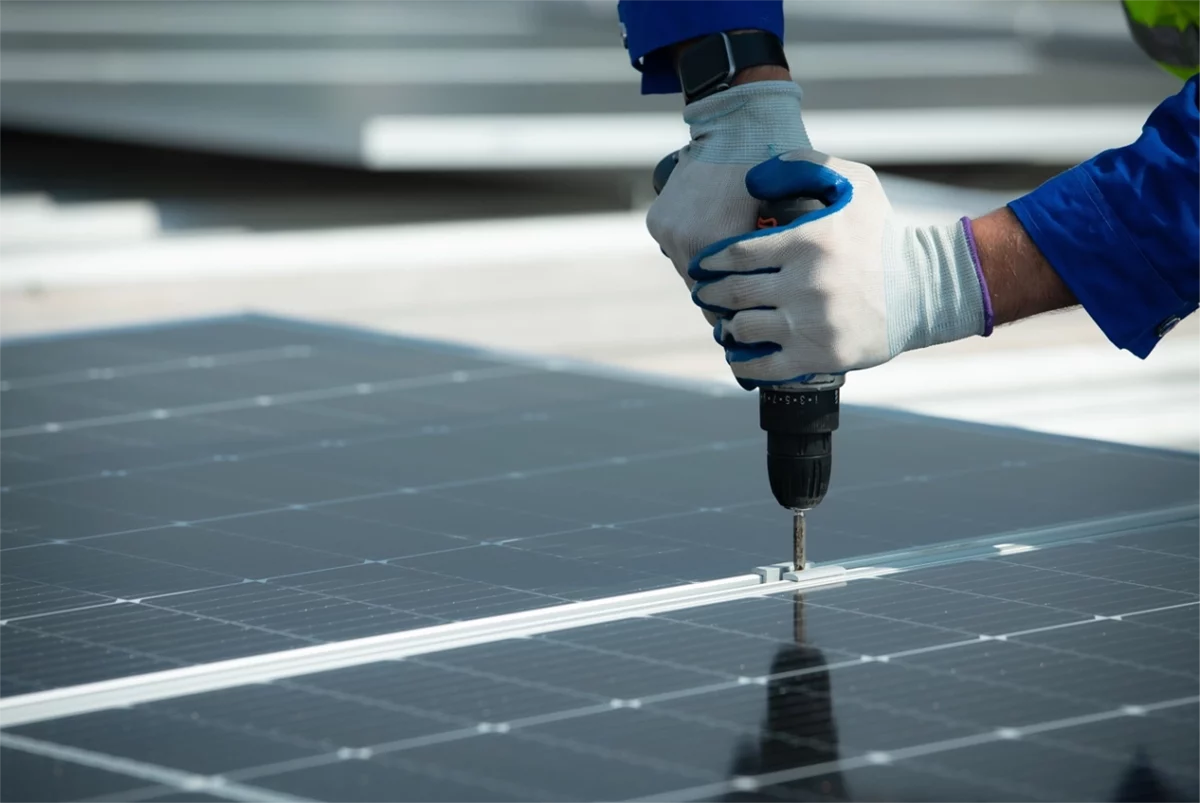
Installation: With permits secured, the installation team will begin mounting the solar panels on your roof and connecting them to your electrical system. This process typically takes a few days to complete.

Connection and Testing: Once installed, the system will be connected to your electrical grid and thoroughly tested to ensure proper functionality.

After installation, you become a solar energy producer. Any excess electricity generated by your system can be sold back to the grid through a process called net metering, allowing you to earn credits on your energy bill.

In India, the government offers various incentives to promote solar adoption, including subsidies and tax benefits. The Ministry of New and Renewable Energy (MNRE) provides financial assistance for both grid-connected and off-grid solar systems. These incentives can significantly reduce the upfront cost of installing solar panels, making it more accessible to homeowners and businesses alike. Before finding out, “How much can you save going solar?”, you must know the amount you can save during installation.

With the government’s new solar plan, you can get ₹30,000 subsidy for a 1kW solar system, ₹60,000 for 2kW solar systems, and ₹78,000 for 3 kW solar systems or higher. So, when you speak to the solar energy provider ask them about the total cost of the installation. Apply for the subsidy through the national portal and do not forget to check if your solar company is registered or not. If they are not, then you have to choose a company from the list of registered installers.

Noting the Financial Benefits of Adopting Solar Energy

By transitioning to solar energy, you can save solar and enjoy several financial benefits that make it a smart investment for your home or business. Let’s find out what they are:

Pay Less for Energy Bills

With solar panels generating electricity from the sun, you can significantly reduce or even eliminate your reliance on traditional utility companies. This means lower monthly energy bills, providing immediate savings that accumulate over time.

Avail Added Long-Term Savings Benefits 

While there’s an initial investment in purchasing and installing solar panels, they typically pay for themselves over time through reduced energy costs. With minimal maintenance required, solar systems can continue to produce electricity for 25 years or more, offering long-term savings on your energy expenses.

Stay Protected Against Rising Energy Costs

Traditional energy prices tend to fluctuate due to factors like fuel costs and inflation. By generating your electricity from solar power, you can shield yourself from these fluctuations and enjoy more predictable energy expenses over the lifespan of your solar system.

Take Advantage of Government Incentives

You can opt for government incentives, such as subsidies, tax credits, and net metering programs. These incentives can help offset the initial cost of installing solar panels, making them more affordable and accelerating your return on investment.

So, if we talk about, “How much money does a solar panel save?”, the amount will change every month. Depending on how much the sun is shining and how much your system is storing the energy, your bill will deter. Overall, going solar offers a compelling financial proposition, combining immediate savings with long-term financial security and environmental stewardship.

Here’s a comparison table outlining the rates of grid electricity versus solar panel electricity in India:


Aspect Grid Electricity Solar Panel Electricity
Financial Payment/Income Every grid user pays an average of ₹6.29/kWh to ₹12.71/kWh   Solar users can get ₹5.4 to ₹6.2 for government sectors and ₹5.5 to ₹10 for private sectors on selling extra power
Long-Term Cost Savings Limited Significant
Environmental Impact High carbon footprint Low carbon footprint
Reliability   Subject to outages Consistent, weather permitting
Government Incentives  None Subsidies, tax benefits
Maintenance Regular, ongoing costs  Minimal maintenance costs
Energy Independence Dependent on utility companies Greater control and independence

Table: Grid Energy Consumption Vs Solar Energy Utilization

Conclusion

Transitioning to solar power presents a lucrative opportunity for significant cost savings. If you are still wondering, “Can you save solar energy?” The answer is yes and you can sell it too. By harnessing the power of the sun, you can reduce or eliminate your reliance on traditional energy sources, leading to lower monthly bills and long-term financial security. With the benefits listed in this article you must have understood the potential of savings with solar power is substantial. So, what are you waiting for make the switch today!


Full Name
Full Name
Full Name