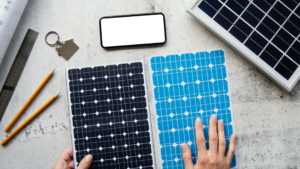
Rooftop solar has rapidly become one of the most popular renewable energy solutions for homeowners in India. Rising electricity prices, government incentives, and increasing environmental awareness are driving this shift toward clean energy.
In fact, India added around 7.1 GW of rooftop solar capacity in 2025, more than double the installations of the previous year, largely driven by residential adoption and government subsidy programs.
Companies like Fenice Energy are helping homeowners transition to rooftop solar systems that reduce electricity bills while contributing to a cleaner energy future.
Why Rooftop Solar is the Biggest Trend for Indian Homes
Several factors are making rooftop solar increasingly attractive for homeowners.
- Government Subsidies Make Solar More Affordable
The Indian government offers financial support through residential solar subsidy programs. Homeowners can receive up to ₹78,000 subsidy for rooftop solar installations, significantly lowering the upfront cost.
This has made solar power accessible to middle-class households across cities and towns.
- Rising Electricity Tariffs
Electricity costs have steadily increased in many states. Rooftop solar helps homeowners generate their own electricity, reducing dependence on the grid and protecting against future tariff hikes.
- Long-Term Savings
Solar panels typically last 25 years or more, meaning homeowners can enjoy decades of lower electricity costs after the initial investment.
How to Get the ₹78,000 Subsidy for Rooftop Solar
The government subsidy for rooftop solar systems is available for residential consumers installing systems up to 3 kW and beyond.
Typical subsidy structure
| Solar System Size | Approximate Subsidy |
| Up to 3 kW | Up to ₹78,000 |
| 3–10 kW | Additional subsidy for first 3 kW |
Steps to apply
- Register on the national rooftop solar portal.
- Choose an approved solar vendor.
- Install the rooftop solar system.
- Apply for inspection and net metering.
- Receive the subsidy directly in your bank account.
Solar companies like Fenice Energy assist homeowners through the entire process, including documentation and subsidy applications.
3kW vs 5kW Solar System: Which One is Right for Your Home?
Choosing the right solar system size depends on your electricity consumption and available rooftop area.
| Feature | 3 kW Solar System | 5 kW Solar System |
| Ideal for | Small to medium homes | Larger homes or villas |
| Monthly generation | ~350–400 units | ~650–750 units |
| Rooftop area required | 250–300 sq ft | 400–500 sq ft |
| Typical use | Basic appliances, fans, lights, fridge | ACs, appliances, higher consumption |
A 3 kW system works well for homes with moderate power usage, while a 5 kW system is ideal for households with air conditioning and higher electricity consumption.
Zero Electricity Bill with Solar: Myth or Reality?
Many homeowners wonder if installing solar can completely eliminate their electricity bill.
The answer depends on a few factors:
- Size of the solar system
- Daily electricity consumption
- Net metering availability
- Seasonal sunlight variations
In many cases, a properly sized rooftop solar system can reduce electricity bills by 70–100%, especially for homes with high daytime energy use.
Some households even generate excess power that can be exported back to the grid.
How Net Metering Works for Homeowners
Net metering is a key benefit of rooftop solar systems.
How it works
- Solar panels generate electricity during the day.
- Your home consumes the power it needs.
- Excess electricity is exported to the grid.
- The exported units are credited to your electricity account.
At the end of the billing cycle, you pay only for the net electricity consumed after subtracting the solar power you exported.
This makes rooftop solar even more financially attractive.
Case Study: A Home in Chennai Saving on Electricity with Solar
A residential homeowner in Chennai installed a 5 kW rooftop solar system to offset rising electricity bills.
Before installing solar
- Average monthly electricity bill: ₹7,500
- Heavy usage due to air conditioning and appliances
After installing solar
- Electricity bill reduced by nearly 80–90%
- Average savings: ₹5,500–₹6,000 per month
Over the lifetime of the system, the homeowner is expected to save more than ₹15–18 lakhs in electricity costs.
Key Benefits of Rooftop Solar for Homes
Installing rooftop solar offers multiple advantages:
- Lower electricity bills
- Government subsidies and incentives
- Reduced carbon footprint
- Increased property value
- Energy independence
With improved technology and supportive policies, rooftop solar has become one of the most practical investments for homeowners in India.
Why Choose Fenice Energy for Rooftop Solar
Fenice Energy provides end-to-end rooftop solar solutions for homeowners. Their services include:
- Solar feasibility assessment
- Customized system design
- High-efficiency solar modules
- Professional installation
- Net metering and subsidy assistance
- Long-term maintenance support
This ensures homeowners get a reliable solar system that delivers consistent performance and maximum savings.
The Future of Residential Solar in India
- With strong government support and rising electricity costs, rooftop solar adoption is expected to grow rapidly in the coming years.
- Millions of Indian homes are now exploring solar energy as a way to reduce expenses, increase energy independence, and contribute to a cleaner environment.
- For homeowners considering the switch, rooftop solar is no longer just an environmental choice—it is also a smart financial decision.