Categories
Solar

The Resilience of Solar Panels During Cyclones

India is one of the countries most hard hit by climate change. In recent years, we have seen the havoc wreaked by a number of cyclones: Tauktae in 2021 and, of all things, Biparjoy in 2023, which made landfall in Gujarat. With these typhoons coming more often and getting fiercer each time, solar rooftop photovoltaic (RTPV) systems built in coastal areas of India increasingly look like they are going to be in trouble.

This article is intended to draw lessons from the experience of cyclones hitting the country’s solar infrastructure and to lay out what can be done in terms of measures in order for a more robust and sustainable renewable energy sector:

Impact on Solar Panels in Cyclone Areas

With the severe natural disasters of cyclones and hail storms in mind, one wonders how long solar PV systems will last. A solar panel represents a significant investment; it is crucial to be able to find out about its life expectancy.

Fortunately for its users, advances both in the materials used in systems, such as silicon metal frames and engineering, have made solar panels more durable against weather phenomena. Thus, solar panels are far more rugged and resilient than one might initially think.

In recent years, besides cyclones such as Biparjoy (2023) and Tauktae (2021), there are also some severe cyclonic storms like Fani (2019) that have struck the Indian coast. Characterised by strong winds reaching speeds of around 150-200 kmph, heavy rainfall, and destructive forces, these cyclones have left a lasting mark on India’s RTPV systems, particularly in the coastal regions of Gujarat and Odisha.

The fierce gusts of cyclones gave RTPV systems all kinds of problems. Solar panels were blown off, panels were broken, frames squashed, and structures that supported the mounting of them weakened. The heavy rains and consequent flooding made the situation worse, causing electrical component failure and placing the whole system in danger. In some cases, whole solar panel arrays were destroyed, and solar system owners lost a great deal of money.

Building Resilient Solar Solutions

One possible reason for the injury to RTPV systems in cyclones may be that, as the cost of RTPV systems declines, there is a general decrease in their quality and durability.

Besides, there are many things that could be done to enhance the resilience of RTPV infrastructures, such as,

  • Carrying out a comprehensive survey of all vulnerabilities in RTPV installations and issuing regulations and standards that have every last bit to withstand during cyclones.
  • A dedicated team for regular evaluations of RTPV systems on-site would also make an excellent idea. The team will secure the quality, safety, and standards of RTPV setups, raising their level of reliability and ease in the long run.
  • A further public awareness campaign to educate solar system owners about cyclone-secure thought and techniques for normal upkeep (such as keeping tree limbs away from solar panels) as well as the necessity of backup storage power such as batteries to ensure ongoing electricity supply throughout extreme weather events.

Do Solar Panels and Batteries Work During Cyclones?

In the case of cyclones, there is cloud-carrying rain, yet solar panels still can generate power. However, cyclones can damage the grid lines, causing outages in electricity production. In restoring the grid, all solar systems must withdraw their power generations, for this is safe from a maintenance worker’s point of view. In that case, you will need backup power such as a solar battery or generator.

How Can You Protect Solar Panels From Cyclones?

Solar panels are solid human pyramid blocks, but one of the most common ways they get injured or broken is falling debris cascading down during wind events.

Because rooftop solar panels are considered an attachment to your home, they may be covered under your homeowner’s insurance. Alternatively, you might need either a supplement or a separate policy for ground-mounted panels or solar tarps under an existing contract. While it does involve investing money, in the event of a typhoon that causes more damage than you expected, having insurance may pay off for your trouble.

Here are three ways in which you can make your solar panels wind-resistant,

Tighten Solar Panel Bolts

Solar panel installations frequently involve crashes. So, if it comes down to using stainless steel bolts or nuts and bolting them onto the installation site wherever an installer works, do it that way. It’s common for nuts and bolts at mounting holes to have come loose due to high winds.

Civil Work

Typically, homeowners install solar panels in accordance with available roof space. They utilise the remaining available space up top on the porch, backyard area, or high-walled pavilion.

In such cases, it is recommended that good civil work be done for panel stand legs: On a level with the flat roof surface are pads made of 300*300*300 (L*W*H), weighing approximately 70 kg. On the high-rise building elevation, the pads are made with dimensions 400*400*400 (L*W*H) and weigh about 90 kg. All screws used throughout this process should be a No. 10 in-home liner.

Temporary Uninstallation of Solar Panels

In India, batteries are commonly connected in single and double formation for charging by less than 1 kW solar panels. However, little care is paid to the addition of proper panel stands. It is a frequent mistake that when battery charging solar panels are installed, they are installed on any area, hut roof, or half wall. In these cases, it’s recommended that the solar panel owner take down the panel before the cyclone comes. Then, when everything returns to normal, they can reinstall it.

In a world dealing with climate change and its associated challenges, the ability of solar panels to withstand cyclones can hardly be considered just a technical achievement; it represents the magnificent power of technology that is transforming society and life in a new way.
Categories
Solar

EV Charging: Costs for Home and Fast Charging in India

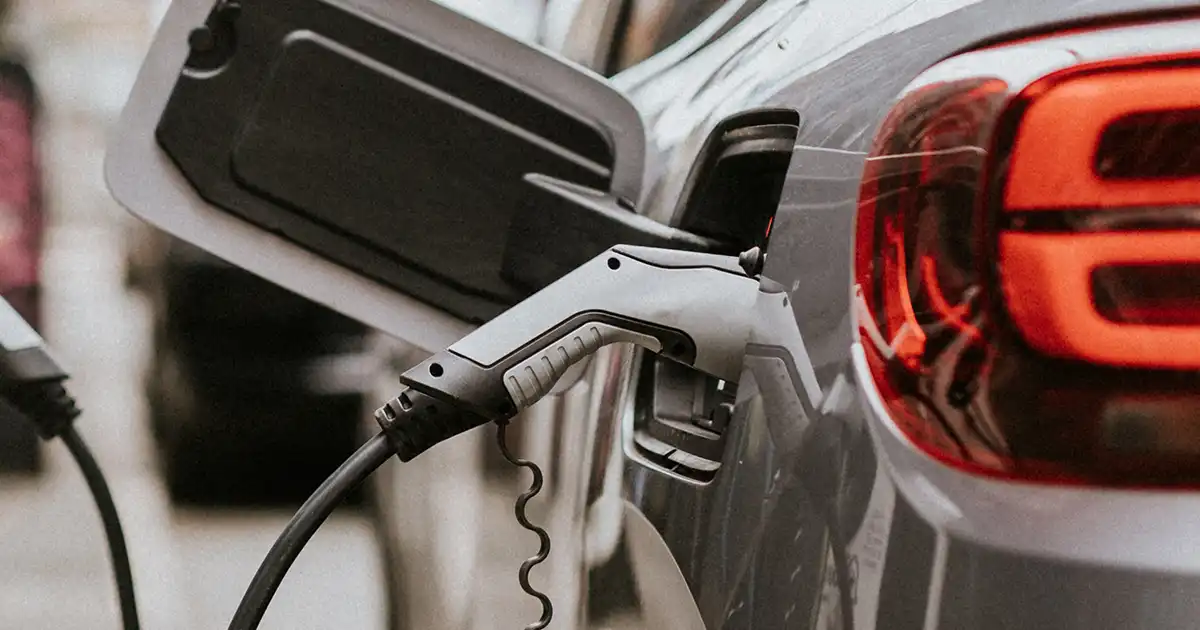
As India strides towards a more sustainable future in transportation, we can hope electric vehicles (EVs) to offer hope for a greener tomorrow. Yet, let’s face it, there are hurdles to overcome. Despite multiple car manufacturers showing interest in the EV market and significant investments being made, we must say the reality of EV adoption in India is still a work in progress. For example, you might lose interest after looking at the high initial EV charging station cost. Additionally, the lack of charging infrastructure might influence you to buy fuel-powered cars.  But amidst these challenges lies the opportunity for positive change. As the automotive industry transforms, these issues can be addressed head-on. But, for now, by focusing on the EV charging cost in India, we can better understand the complexities involved in determining the accurate price. It’s not just about numbers and statistics; it’s about knowing how this will make your life easier. So, let’s explore together the electric car charging cost in India for a sustainable future.

Look at the Different Ways to Charge Your EV

There are three primary methods to charge your EV, each has its advantages and considerations. The inherent flexibility of EVs allows you to charge anywhere. If you have a garage or packing area near you, couple it with overnight charging sessions and there you have the most convenient way to charge your car. The duration for a full charge varies significantly, spanning from 40 mins to 7 to 8 hrs to reach 90%. This, however, will depend on your EV model, battery size, and charging port efficiency.  With innovation, we have rapid chargers. It slashes charging times to a mere 20 to 30 mins, making on-the-go charging a viable and efficient option for us. As EV infrastructure continues to evolve, we should know the nuances of the charging methods for navigating the electrified mobility landscape with ease.  The other option is to visit your nearest petrol pump or charging point. This is a payable service, hence, the question comes, “What is the EV charging station cost per charge?” You will need to pay ₹20 to 22 per kilowatt-hour (kWh) to avail the service. Read more about the EV charging rates in India in the section below. For instance, if you have a 40kWh battery and the electric charging station cost is ₹22/kW, for slow and medium charging it will cost you ₹6.84 per unit, and fast charging will be ₹8.261 per unit.

Let’s Talk about the EV Charging Cost in India

When it comes to determining the electric car charging cost India, the battery capacity serves as a pivotal factor, typically ranging between 20 and 40 kWh for most EVs in the country. You might be conveniently charging at home, but the fluctuating electricity rates across states can be a serious problem. As discussed above the EV charging cost per kwh in India can reach as high as Rs 20 to 22. However, you will find that state electricity rates vary between Rs 8 to Rs 10 per unit. We found that EV charging stations cost in Delhi is approximately Rs 4 per kWh.  You can expect that the cost to charge electric car can highly fluctuate, spanning from Rs 2 to 9 per unit. Consequently, charging an EV at a dedicated station could cost anywhere between Rs 100 to Rs 200. Whereas, if you opt for home charging, it could range from Rs 180 to Rs 500, depending on the prevailing electric car charging cost in India. Delving deeper, charging outlets in Pune reveal rates of Rs 114 to Rs 116 per unit, translating to an expenditure of approximately Rs 400 to Rs 500 for a full charge. So, if you are curious about the 4 kwh battery charging cost in India, let’s say it can vary between Rs 2 to 9 per unit, or on average around Rs 4/kwh. As EV owners navigate these cost considerations, understanding the regional disparities in electricity rates becomes paramount for optimizing charging strategies and managing operational expenses effectively.

Find a Charging Station Easily with these Applications

As we already discussed the electric vehicle (EV) market in India is rapidly growing. However, the challenges faced by this industry are real. Nonetheless, EV manufacturers have assured that they will develop more extensive charging networks in the future. Despite the current situation, you can easily find charging points now.  Here are two emerging platforms designed to facilitate seamless charging experiences: ChargeList: One of the leading EV charging station aggregation websites in India, ChargeList boasts a vast network of over 190 charging outlets throughout the nation. It offers you a user-friendly interface, the platform allows you to effortlessly locate charging stations in the locality and initiate charging sessions as needed. With ChargeList, you can confidently navigate the cities, knowing that charging facilities are readily accessible to support their eco-friendly mode of transport. But remember the electric car charging stations cost will vary in different locations.

Statiq: This is an aggregator software that will help you find multiple electric vehicle charging locations across India. With the Statiq app, you can gain access to real-time information on charging stations. It allows you to reserve a spot and make online payments directly through the app. EV charging stations cost in India might vary, so don’t be surprised to see higher or lower rates. Another notable advantage of Statiq is its route planning feature, it assists you in charting your journey while identifying charging points along the way. These platforms enable you to enjoy uninterrupted travel. However, we must admit that the electric vehicle charging station cost plays a significant role in shaping consumer perceptions and adoption rates. You might feel overwhelmed by the upfront costs of EV charging infrastructure, particularly when compared to traditional fossil fuel alternatives. But, we must admit that the long-term benefits will far outweigh the initial investment.  As diesel and petrol prices continue to escalate, the cost-effectiveness of EV charging emerges as a compelling incentive for us. Indeed, with sustainability at the forefront of national priorities, EVs undeniably represent the future of mobility in India, promising a greener and more efficient mode of transportation for generations to witness.

Categories
Solar

A Deep Dive into Smart Home Technologies

Introduction
In a fast-paced world where technology breaks new ground, the interconnected and automated homes are not a figment of imagination but an everyday reality. This guide can be viewed as a complete introduction to “smart homes,” where one can acquire knowledge and skills to catch up to or pull ahead with the current development. Mankind has never been so susceptible and vulnerable to different technologies as it is today , from virtual assistants and voice commands all the way to smart lighting and security systems. Join us to experience the power and the keywords that constitute the smart homes, leading to infrastructural growth.

The Foundation of Smart Homes:The Foundation of Smart Homes:

Introduction to Smart Home Technologies:

Smart homes are the ones that comprise top of the line technology to better connectivity, security and reduce energy consumption. Knowing the backgrounds help you to gain much information about the smart house.

The Role of Wi-Fi:

“A secure network and robust Wi-Fi or any other high-speed internet technology forms the backbone of smart homes, allowing the devices communicating among one another to do so with flying colors.” A strong Wi-Fi network is what helps the smooth running of smart technology houses.

Virtual Assistants and Voice Commands:

Virtual Assistants at the Helm:

Virtual assistants play the role of central brains in a smart home; the smart home is equipped with different functions among them smart speakers like amazon’s Alexa, Google Assistant and Apple’s Siri which function by responding to voice commands and a little more.

The Rise of Smart Speakers:

Smart speakers like the Amazon echo and Google home, and assistant service dealt a major blow to the print newspaper sales as people started listening to the latest news briefs on the speaker-devices. They are the first contact between people and smart homes by virtue of their ability to command everything through voice commands.

Illuminating the Future with Smart Lighting:

Smart Lighting Systems:

Smart lighting system is an app or voice activation technology that allows the homeowners to change the look and brightness of lighting in the house, besides enhancing the beauty and energy-saving qualities of the system.

Integration with Virtual Assistants:

Smart lights are naturally harmonious with digital assistants, hence controlling them through your voice command will be a piece of cake. This creates the harmony that in turn contributes towards user experience and engagement.

Enhancing Security with Smart Systems:

Smart Locks and Door Security:

Smart locks communicating with household automation system, provide an increased level of security which facilitate online lifestyle becoming autonomous. In addition, they can be controlled remotely which is very convenient and also provides flexibility. This can bring numerous benefits.

Motion Sensors and Surveillance:

Motion sensors and smart Surveillance Systems help implement advanced security controls to apprehend uncontrolled occurrences. Streaming live warnings and the use of a remote monitoring systems as a key component of the security of a smart home.

Smart Home Automation:

Comprehensive Home Automation Systems:

Home automation systems bring together multiple devices that are smart together allowing homeowners to enjoy personalized scenarios for different moments like “Movie Night” or “Good Morning”.

Temperature Control and Energy Efficiency:

Smart thermostats help us achieve precise and the way we use energy and are energy saving at the same time.

The Peace of Mind Factor:

Remote Monitoring and Control:

Homeowners are given the resource of monitoring and controlling smart home devices even when they are away which gives them a general calmness. Be it the breathing of security cameras systems or making some adjustment to the thermostat, everything is beyond the grip.

Customization for Individual Needs:

Smart homes facilitates the personalization of the living environment according to each one’s unique taste and interest. This approach is so straightforward that users can comprehend it but vary it to their needs.

Future Trends in Smart Home Technologies:

Advancements in Artificial Intelligence:

Intelligent home systems to hold a more context-aware and aware-of-present location position courtesy of AI integration are proposed to make smart homes experience a more convenient one.

Interconnectivity and IoT:

The world of IoT is in a constant process of development, and the design of a more responsible and interconnected environment among smart devices is the goal. This trend has the potential to deliver a miscellaneous, inseparable smart home system which make daily activity easier.

Conclusion:

In essence, there is a smart house not just as a future projection, but a present actual thing that revolves the way of living around. Sensors are not just able to amplify the human touch but also to develop virtual assistants and voice commands. From smart lighting and security systems to home automation and remote control, the potential is infinite. Smart home systems will certainly further evolve, and the key to fully benefit from all that they have to offer will then be learning how to take advantage of their interconnectedness and intelligence. Be part of the car of tomorrow and usher in a new housing experience that is most suited to your lifestyle and way of life.


Categories
Solar

Calculating Payback Period for Solar Investment in India

Introduction:

In a world increasingly embracing sustainable practices, investing in solar panels stands out as a forward-thinking choice. However, understanding the financial dynamics, especially the payback period, is crucial. This blog serves as a comprehensive guide for individuals and businesses in India, offering insights into how to calculate the payback period for solar investments. From considering total system costs to factoring in financial incentives, we delve into the nuances of this critical metric and provide a formula for accurate calculations.

Understanding the Payback Period:

Defining Payback Period:

The payback period is the time it takes for the initial investment in solar panels to be recouped through the savings generated on energy bills. It serves as a key metric for assessing the financial viability of solar investments.

Factors Influencing Payback Period:

Various factors, including total system costs, financial incentives, and electricity consumption patterns, influence the payback period. Understanding these factors is essential for accurate calculations.

Components of Total System Costs:

Installation Costs:

Installation costs include expenses related to the purchase and installation of solar panels, inverters, wiring, and other necessary components.

Renewable Energy Certificates (SRECs):

Renewable Energy Certificates (SRECs) are financial incentives that solar system owners may receive for the clean energy they generate. Factoring in SRECs is crucial for an accurate payback period calculation.

Financial Incentives Impacting Payback Period:

Government Subsidies:

Governments often provide subsidies to encourage solar adoption. Analyzing available subsidies helps in determining the overall financial impact on the payback period.

Net Metering:

Net metering allows solar system owners to feed excess energy back into the grid, potentially earning credits that offset future electricity bills.

Calculating Electricity Costs and Consumption:

Understanding Electricity Bills:

Electricity bills provide insights into current energy consumption patterns. Analyzing these bills helps in projecting future energy costs.

Average Payback Period:

Determining the average payback period involves calculating the time it would take to recover the total system costs based on historical or projected savings.

Solar Investment Return on Investment (ROI):

ROI Calculation:

Return on Investment (ROI) assesses the profitability of a solar investment. A positive ROI indicates that the investment is financially sound.

ROI vs. Payback Period:

Understanding the relationship between ROI and the payback period offers a more nuanced view of the financial performance of a solar investment.

Formula for Calculating Payback Period:

Payback Period Formula:

The payback period is calculated by dividing the total system costs by the annual savings on energy bills. The formula is:

Payback Period=Total System Costs/Annual Savings.

Residential Solar Payback Period:

Unique Considerations for Homes:

Residential solar payback periods may differ due to specific considerations, such as available roof space and individual electricity consumption patterns.

Optimizing Residential Solar Investments:

Tips for optimizing the payback period for residential solar installations, including system size considerations and energy efficiency measures.

Long-Term Considerations:

Evaluating Future Energy Costs:

Considering the trajectory of energy costs is essential for long-term financial planning associated with solar investments.

Periodic Reassessment:

Regularly reassessing the payback period allows for adjustments based on changes in energy consumption, electricity costs, or available financial incentives.

Conclusion:

In conclusion, calculating the payback period for solar investments in India requires a meticulous analysis of various factors, from total system costs to financial incentives and electricity consumption patterns. The provided formula serves as a valuable tool for individuals and businesses seeking to make informed decisions about solar investments. As solar energy continues to play a pivotal role in India’s sustainable future, understanding the financial dynamics is key to harnessing the full benefits of clean and renewable energy sources.

Categories
Solar

Understanding the Increase in Electricity Tariffs in India

Understanding the Increase in Electricity Tariffs in India

Introduction:

As the demand for electricity in India continues to surge, so does the intricacy of the energy landscape. This blog unravels the complexities surrounding the recent increase in electricity tariffs in India. Delving into factors such as gas-based capacity, the impact on the agricultural sector, and the dynamics of power tariffs, we aim to provide a comprehensive understanding of this significant shift. Additionally, we explore how the surge in electricity tariffs aligns with the broader narrative of India’s energy transition, emphasizing the crucial role that solar power plays in this evolving scenario.

The Dynamics of Power Tariffs:

Overview of Electricity Tariffs:

Electricity tariffs in India are subject to various factors, including fuel costs, infrastructure maintenance, and regulatory policies. Understanding the dynamics of power tariffs is fundamental to grasping the implications of recent increases.

Time of Day Tariffs:

Recent developments include the implementation of time-of-day tariffs, where the cost of electricity varies according to the time of consumption. This aims to optimize energy distribution and consumption patterns.

Factors Contributing to Tariff Increases:

Gas-Based Capacity and Fuel Costs:

The reliance on gas-based power plants impacts electricity tariffs. Fluctuations in gas prices can lead to increased costs, influencing the overall electricity tariff structure.

Impact on the Agricultural Sector:

Agriculture is a significant consumer of electricity in India. Understanding how tariff increases affect the agricultural sector is crucial for both policymakers and farmers.

Consumers Rules 2020:

Consumer Rights and Protections:

The Consumers Rules 2020 play a pivotal role in safeguarding consumer rights and ensuring transparency in electricity billing. An examination of these rules provides insights into the protections afforded to consumers.

Cheaper Tariffs with Solar Power:

Solar Power as an Alternative:

Amid tariff increases, solar power emerges as a viable and cost-effective alternative. Exploring the comparative costs of solar power reveals the potential for cheaper tariffs and long-term benefits for consumers.

Minister R.K. Singh’s Perspective:

Minister R.K. Singh’s insights on the benefits of solar power and the need for a faster energy transition shed light on the government’s vision for a sustainable and cost-efficient energy future.

Impact on Consumers:

Consumers Benefit with Solar Power:

As traditional electricity tariffs rise, consumers stand to benefit from transitioning to solar power. The economic advantages, coupled with environmental benefits, make solar power an attractive option for consumers.

Solar Hours vs. Thermal Power:

Analyzing the availability of solar hours versus thermal power helps understand the reliability and sustainability of these energy sources.

State Electricity Regulatory Commission:

Role and Decision-Making:

The State Electricity Regulatory Commission plays a critical role in determining and regulating electricity tariffs. An exploration of its functions provides insights into the decision-making process.

April 2024 Deadline:

Implications of the Deadline:

The April 2024 deadline for achieving a specific gas-based capacity has implications for both energy providers and consumers. Understanding these implications is crucial for stakeholders across the energy spectrum.

Faster Energy Transition:

Solar Power Driving Transition:

A faster energy transition is imperative for sustainability. Examining how solar power contributes to this transition sheds light on the role of renewable energy in reshaping India’s energy landscape.

Conclusion:

In conclusion, the increase in electricity tariffs in India marks a significant juncture in the nation’s energy journey. As the country grapples with the complexities of fuel costs, gas-based capacity, and regulatory frameworks, the role of solar power becomes increasingly pivotal. By understanding the dynamics of power tariffs, consumers, policymakers, and energy providers can collectively navigate this landscape and contribute to a faster and more sustainable energy transition. The coming years will likely witness transformative changes, and embracing solar power emerges as a beacon of hope for a cost-effective and environmentally conscious future.

Categories
Solar

How to Tell If Your Solar Panels Are Working

Transitioning from conventional fossil fuels to solar power is a pivotal step toward a clean energy alternative that promotes sustainable living. Once the installation setup is successful, one needs to ensure that solar panels are operating at their optimal efficiency. This article will ensure you understand the key indicators and the knowledge required to ensure your solar systems are performing and harnessing energy at their full potential.

How Do You Know If Your Solar Panels Are Working?

If you have already installed rooftop solar panels or are considering installing one, you need to ensure the panels are working at their full capacity. Solar panels are designed to offer long-term, durable performance.

Here are five ways you can ensure your solar system is working at its optimal performance,

Inspect Inverter

Solar panel inverter is one of the key components that contribute to your solar system’s functioning. It can be referred to as the ‘brains’ of your home solar system. Inverters provide a means of communications between the system and the computer network that monitor system performance, ensuring that it converts direct current into alternating current.

A malfunctioning inverter can directly affect the performance of the solar system. The most common point of failure for any solar system is an inverter. It is equipped with indicator lights as follows,

  • Green light – All good with your inverter
  • Red or orange – Your solar system is experiencing a potential issue.
  • Red flash – Need troubleshooting; you need to contact your inverter manufacturer or your solar company.

Inspect Electric Meter

Ideally, opting for solar is to consume less electricity from the utility. Hence, the net metering system attached to the solar system displays all the information about the total watts of your solar panels through the different screens. It monitors how much electricity your home consumes and how much energy is generated. When excess energy is generated, it will be credited back to the grid, and your meter will credit you for that excess energy production.

So, in order to check if your solar panel is working, check your electric meter during the day. If it shows that you’re drawing power from the grid, then there is likely an issue with your solar installation. As long as the watt-hours measurement is increasing, your panel will work fine. If there are changes in those measurements, you can reach out to your solar company.

Check Weather Conditions

Usually, the solar power generated is equally proportional to the amount of sun rays received on the day. Based on the current forecast, solar panels in India are likely to operate at 10% to 25% efficiency. The efficiency of these panels depends on the overall climate of the area, such as day-to-day weather forecasts and long-term seasonal effects.

So, ultimately, what matters the most is how much sun your home gets year-round. So, if you notice the power generation fluctuates outside of established capacity, that might be because of bad weather conditions.

Check Your Electric Bills

The primary reason to go for alternative energy like solar energy systems is to significantly reduce your monthly utility bill, i.e., your electric bill. So, if your solar panel is working well, it will reduce your electricity bills.

The amount you pay each month for utility can fluctuate, as it depends on the energy usage from your residential solar panels. So, one way to check if your solar panel isn’t working is to check when your utility bill starts to get high again.

Check for Barriers

Yet another effective way to check if your solar panel is working is to check for barriers. That means anything that blocks sunlight from hitting the solar panel, like tree branches, dirt, dust, or even bird poop, can result in lower solar panel efficiency. 

To ensure your solar panels are free from barriers, ensure,

  • Spraying or hosing the panels with water once a month.
  • Deep cleaning your panels with water and soap once a year.
  • Trimming the branches that touch the solar panel.

Factors that Affect the Performance of Solar Power Output

As we are aware of all the steps to check if your solar system is working, here are five factors that can potentially affect the performance of your solar panel output to look out for. 

  1. Naturally, solar panel outputs are higher in summer and lesser in winter.
  2. When measuring your solar power output, midday is the best time of the day.
  3. Panels facing east or west usually generate lower energy during the day, so titling them optimally can help generate more energy.
  4. During the conversion from direct current (DC) into alternating current (AC), there could be a power loss of about 2% in the cables and 3-4% in the inverter.
  5. During cloudy weather conditions, solar power outputs can drop with reduced solar radiation.

What Should You Do If Your Panels Aren’t Working?

Now that you have discovered your solar panels are not working, you need to be aware of the steps to diagnose the issue, before calling your solar panel company for maintenance.

  • See if there is a trip in the circuit breaker or malfunctioning of your inverter.
  • Restart your inverted if it shows an orange light. It could sometimes clear out any system faults.
  • Have a look at the wiring for any damages.

These tips will analyse your system faults or any necessary repairs. After all the preliminary checks are done, you can call your solar panel company for a comprehensive investigation. The solar technicians can, in turn, verify how much solar power you are producing, address any system vulnerabilities, and more.

Categories
Solar

Solar Panel Degradation and Prolonged Efficiency

Solar Panel Degradation and Prolonged Efficiency

Introduction:

In the quest for sustainable energy, solar panels stand as pillars of clean power generation. However, the efficiency of these panels is not immune to the passage of time. Solar panel degradation, a natural process, is a phenomenon that impacts the performance of solar systems over the long term. In this comprehensive guide, we unravel the intricacies of solar panel degradation, exploring its causes, effects, and how advancements in technology aim to mitigate its impact. Join us on this journey to understand how solar panels continue to be a reliable source of clean energy even as they age.

Understanding Solar Panel Degradation:

Solar Panel Degradation Overview:

Solar panels, composed of photovoltaic cells, convert sunlight into electricity. Over time, these panels experience a gradual decline in performance, known as solar panel degradation. This phenomenon is a crucial factor in determining the lifespan and overall efficiency of a solar system.

Factors Contributing to Solar Panel Degradation:

Crystalline Silicon and Panel Efficiency:

Most solar panels use crystalline silicon as the primary material for photovoltaic cells. While high-quality crystalline silicon ensures efficient energy conversion, it doesn’t shield panels from the effects of degradation.

Temperature and Voltage Leaks:

High temperatures can accelerate the degradation process, affecting the electrical connections within solar panels. Voltage leaks, caused by wear and tear, contribute to reduced panel efficiency and overall power output.

Common Types of Solar Panel Degradation:

Light-Induced Degradation (LID):

LID occurs in the initial hours of a solar panel’s operation. It’s caused by a reaction between boron and oxygen in the silicon, leading to a temporary drop in efficiency. Manufacturers often incorporate measures to mitigate LID, ensuring long-term stability.

Potential-Induced Degradation (PID):

PID is a form of degradation caused by high voltage and humidity. It can result in significant power losses over time. To address PID, modern solar panels incorporate technologies like PID-resistant encapsulants and improved cell designs.

Solar Panel Degradation Rate:

Rate of Degradation Over Time:

Solar panel degradation rates vary based on factors like panel quality, technology, and environmental conditions. On average, high-quality solar panels degrade at a rate of 0.3% to 0.5% per year. This means that after 25 years, a well-maintained solar panel might still operate at around 85% to 90% of its original efficiency.

Mitigating Solar Panel Degradation:

Advancements in Technology:

Ongoing research and technological advancements aim to minimize solar panel degradation. Innovations in cell design, materials, and manufacturing processes contribute to the development of panels with enhanced durability and reduced degradation rates.

Quality Assurance by Manufacturers:

Choosing solar panels from reputable manufacturers is crucial. Established manufacturers adhere to stringent quality standards, ensuring that their panels are built to withstand environmental stressors and maintain efficiency over the long term.

Regular Maintenance Checks:

Periodic maintenance checks are essential for identifying and addressing potential issues that can accelerate degradation. Inspections involve examining electrical connections, cleaning panels, and ensuring that the entire solar system operates optimally.

Long-Term Benefits and Power Output:

25-Year Lifespan and Beyond:

Despite the inevitability of degradation, solar panels boast a remarkable lifespan. With proper maintenance and quality assurance, solar panels can continue to generate electricity for well beyond their warranty periods, often reaching up to 25 years and beyond.

Maximizing Power Output:

While solar panel degradation is a reality, its impact can be mitigated through a combination of advanced technologies and conscientious maintenance. Even as panels age, they continue to produce a significant amount of electricity, contributing to a cleaner and more sustainable energy future.

Conclusion:

In conclusion, solar panel degradation is a natural aspect of the lifespan of photovoltaic systems. Understanding the factors contributing to degradation, the common types, and the rate at which it occurs empowers consumers and industry professionals alike. Technological advancements, quality assurance by manufacturers, and regular maintenance are key elements in ensuring that solar panels not only weather the effects of time but continue to be reliable and efficient sources of clean energy. As the solar industry evolves, the quest for further reducing degradation rates and enhancing panel longevity remains integral to the pursuit of a sustainable energy landscape.

Categories
Solar

Top 10 Electricity Consuming Appliances in India

Know about the Appliances that Consume the Most Electricity

Electricity consumption is a significant aspect of our daily life, powering everything from our morning routines to our evening relaxation. But, we can’t carelessly waste energy. To manage energy usage efficiently you must know which electricity appliances consume the most power. Let us delve into the top 10 electrical appliances at home that consume the most electricity.

The Refreshing Chill of Air Conditioners (ACs) 

When someone says AC during summer we already start feeling good. But, ACs consume high electricity. If you keep your 1.5-ton split AC on for 8 hours daily it will consume around 1.2 – 1.5 units per hour. We must admit that AC is a major contributor to electricity bills.

Using Geysers/Water Heaters for a Warm Bath

Cold showers are a nightmare during the winter, won’t you agree? Some of us even enjoy warm baths during summer evenings. But did you know that heating water consumes a significant amount of electricity? A 15-liter geyser operating for an hour uses about 1.5-2 units of electricity.

Keeping Food Fresh in Refrigerators

Keeping our food fresh and drinks cold, the refrigerator is fantastic, right? However, you will be amazed to hear that for operating round the clock, they consume around 3-4 units of electricity per day for a standard double-door refrigerator.

Easy Wash with Washing Machines 

Modern washing machines offer convenience, but they also consume substantial energy. A single wash cycle of a fully-automatic washing machine electricity consumption can be around 1-1.5 units of electricity. Washing machine unit consumption per hour ranges from 0.5-1.5 kWh depending on the model, cycle, and load size. On average, your standard washing machine power consumption is 0.2-0.3 kWh per hour. For example, if you have a washing machine with a power rating of 0.25 kW that runs for an hour, it can consume 0.25 kWh. Are you wondering about the washing machine power consumption in units India? Statistics show that top-loading washing machines consume 0.5-1 unit per load while front-loading machines consume 0.2-0.5 units per load. You need to understand energy consumption in washing machines and consider using cold water, full loads, and energy-efficient models to reduce consumption.

Exploring the Convenience of Electric Irons 

Ironing clothes is a routine chore for many of us, and electric irons are essential for the task. On average, an electric iron consumes around 0.5-1 unit of electricity per hour of usage.

Getting Boiled Water from Electric Kettles 

For a quick cup of tea or coffee, we often find electric kettles convenient. However, boiling water consumes energy, with a typical kettle using around 0.5-1 unit per boil.

Using Induction Cooktops in Place of Stoves 

With their speed and efficiency, induction cooktops have gained popularity in Indian kitchens. However, they consume around 1-2 units of electricity per hour of usage, depending on the cooking duration and power settings.

Lessening Watching Televisions 

Entertaining us with shows and movies, televisions are a staple in Indian households. A 32-inch LED TV operating for 4 hours daily can consume approximately 1-1.5 units of electricity.

Getting the Food Ready in Microwave Ovens

Offering convenience for heating and cooking, microwave ovens are commonly used appliances. Now, the question, “How much electricity does an oven use per hour in India?”, might come to your head. The answer is- if you use your microwave for 30 minutes a day it can consume around 1-1.5 units of electricity.

Regular use of Computers and Laptops 

The average power consumption of computer per hour in India in units is 200 watts per hour, while a laptop uses between 50 and 100 watts per hour. Desktop computers use an average of 206 watts, including 171 for the computer, 10 for the modem, 5 for the printer, and 20 for the speakers. So we can easily say that if you use your computer eight hours a day it consumes nearly 600 kilowatt-hours (kWh) and emits about 175 kilograms of carbon per year. From the above information, it is clear which appliances consume more electricity. For example appliances such as fridges, AC, computers, heaters, etc. If you read other articles on which home appliances consume more electricity in India, you will find that the heating and cooling units are being pointed out.  Here is a home appliances power consumption table India:

Appliances Power Usage
Window AC Split AC 1.2–1.5 units per hour 1–1.2 units per hour
Ceiling fan 20% of the overall usage
Water heater One of the high electricity users
Refrigerator Consumes a lot of power regularly
LED TV 5% of the overall usage
Washing machine 5% of the overall usage
Coffee machine 1000 watts
Toaster 800–1500 watts

These will help you Conserve Energy Regularly

In a country where energy demand is constantly on the rise, adopting energy-saving strategies is not just beneficial for our wallets but also the environment. Some of the top 10 energy saving devices are smart plugs with timers, solar panels, regular maintenance and cleaning of appliances, using daylight as much as possible, opting for energy-efficient chargers, etc.  Here, we’ll explore some practical approaches to saving energy in everyday life:

Making the switch from traditional incandescent bulbs to energy-efficient LED lights:

– Did you know that- LED bulbs consume up to 80% less energy and last much longer? Hence, they are cost-effective and eco-friendly lighting solutions. – By gradually replacing all bulbs in our homes and workplaces with LEDs, we can make a substantial impact on our energy bills and carbon footprint.

Replace your Old Gadgets with Energy-Efficient Units:

– You should opt for energy-efficient units while purchasing new appliances. Make sure you buy appliances with high Energy Efficiency Ratings (EER) or star ratings. – High electricity-consuming appliances with higher star ratings consume less electricity while delivering the same performance.

Renewable Energy is the Future of Electricity:

– You should explore renewable energy options such as solar power for generating electricity. – Installing rooftop solar panels can harness the abundant sunlight in India to generate clean and sustainable energy for homes and businesses. The average consumption of electricity per household in India in units as per the National Sample Survey Office shows almost 20% of households use less than 30 units every month. Further, it says 80% use less than 100 units monthly. In rural areas, 90% of households utilize less than 100 units. By adopting simple yet effective practices in our daily lives, we can collectively make a significant impact on India’s energy landscape and build a sustainable future for generations to come. Conclusion

You need to understand where our energy is being spent. This will prompt us to adopt smarter energy-saving strategies. By recognizing the impact of high-electricity-consuming appliances on our electricity bills, we can make informed choices about usage and invest in more energy-efficient alternatives. It is never too late for a change. If you think that your electricity bill is too high, even you can invest in energy-efficient devices.

Categories
Solar

The Imperative of Solar Power for Hospitals in India

Healthcare Global took a ground breaking step towards sustainability by commissioning a 2.25MW solar plant in Karnataka. And let me tell you, it’s not just about being eco-friendly; it’s about making smart choices for the future of healthcare. Picture this: two flagship cancer centers of HCG, powered by the sun, slashing energy bills by a whopping ₹4.2 crores every year. 

You might be wondering why solar panels for hospitals are a good idea. Well, let’s break it down. Firstly, solar energy is becoming a necessity in today’s world. With fossil fuels becoming increasingly scarce and expensive, harnessing the power of the sun is a no-brainer. Plus, it’s clean. No harmful emissions, no pollution—just pure, renewable energy. 

Hospitals, with their high energy demands, can significantly cut down on electricity bills by making the switch to solar. Not to mention, it’s a great PR move. The community as a whole appreciates institutions that prioritize sustainability and environmental responsibility. 

Why Don’t We Look into the Advantages of this Transition?

Let’s dive into the perks of bringing solar power to Indian hospitals. Here’s why it’s a game-changer:

Energy Costs will Decease Drastically 

With rooftop solar panels, you can slash your energy bills by a significant margin. Compared to the heavy price tag of diesel power, which can soar as high as Rs. 18/kWh, solar for hospitals comes in at a fraction of the cost, with an average cost of just Rs. 4.5-5/kWh, or even less. That’s a massive saving right off the bat!

Say Hello to Fixed Energy Costs

You won’t have to face unpredictable energy expenses. One of the best parts about switching to solar is that your energy costs are locked in for the next 25 years. You don’t have to worry about fluctuating prices or unexpected spikes. It’s like having a budget-friendly insurance policy for your hospital’s energy needs.

Solar Panels will be a more Reliable Option

With hospital solar panels, you’re no longer at the mercy of power outages or grid failures. You have a reliable source of energy right above your head, ready to keep your hospital running smoothly, rain or shine.

So, there you have it—installing solar panels in Indian hospitals isn’t just a smart move, it’s a win-win all around. From cutting costs to saving the environment, the benefits speak for themselves. It’s time to harness the power of the sun and transform the way we power our hospitals.

Now, Let’s Delve into the Disadvantages

As you know there is a flip side of every coin. When it comes to installing solar panels in Indian hospitals. Here are some potential downsides:

You have to consider the Initial investment

Let’s be real—you’ve got to spend money to save money. The upfront cost of making a solar hospital can be significant. It’s like making a big investment in the beginning, with the hope of reaping the rewards down the line.

A Hospital might now have Enough Space for Solar Installation 

Hospitals are bustling places with limited space, and finding room for solar panels can be a challenge. You’ve got to balance the need for energy generation with the need for other facilities and infrastructure on your rooftop.

Depending on the Intermittent Energy Production

While India gets plenty of sunlight, there are still times when solar panels in hospitals may be affected by factors like clouds or nighttime. This means you might need backup energy sources to ensure uninterrupted power supply, adding to your costs.

So, while there are certainly some challenges to consider, installing solar panels in Indian hospitals can still be a worthwhile endeavor. It’s all about weighing the pros and cons and finding the best fit for your hospital’s needs and goals.

What if You do not have Enough Space for Installation?

There can be certain instances where you might not find enough space to install an adequate amount of medical solar panels. This is when you will have to think about the load of your hospital. 

Here are different kinds of loads you might encounter:

First, there are critical loads. Say the medical equipment, OT lights, etc. always need to stay powered, no matter what. Prioritizing critical loads for hospital solar panel installations ensures that you can keep providing essential care even during power outages.

Then comes non-critical loads such as the HVAC or fans, lighting in non-patient areas, and administrative offices. You can temporarily switch to grid power for these appliances if needed.

If your rooftop hospital solar PV can’t meet all your energy needs, you can opt for a hybrid system that combines solar with other sources like grid power or backup generators. This way, you can maximize your use of clean, renewable energy while still having a reliable backup in case of cloudy days or increased energy demands.

So, if your rooftop isn’t quite cutting it in terms of powering your entire hospital, don’t panic! There are plenty of options and strategies available to ensure that you can still provide top-notch care while making the most of your solar resources.

What are your Options?

If you want solar energy for hospitals, consider your unique needs. If you can isolate some lighter loads, great! Here’s what we suggest:

You can power critical loads with solar panels: You can set up solar panels with a battery bank to support essential equipment during power outages. The battery kicks in when solar power dips, ensuring uninterrupted operation.

Having a well-planned battery backup system: The battery charges during the day and provides short-term support for critical loads, at night. We recommend keeping the battery bank small to manage costs and space requirements.

Opt for a hybrid inverter: A hybrid inverter can link with your diesel generator and cut down on diesel usage.

Now, if separating loads isn’t possible:

Use mixed power sources: Solar energy works alongside the diesel generator and utility power for the entire facility. While this setup saves on diesel costs, it doesn’t provide targeted support during outages.

Setting up a hybrid inverter: Again, we use a hybrid inverter, but without batteries this time. This means when your diesel generator goes down, so does the solar power.

No matter which option you choose, we recommend net metering to make the most of any excess solar energy. 

Wrapping Up

Through this article, you’ve seen how solar energy isn’t just about being eco-friendly—it’s about making practical, cost-effective choices for healthcare’s future. We’ve explored the benefits: cutting energy bills, stable costs, and environmental responsibility. Yes, there are challenges like upfront costs and space constraints, but with smart planning, we can overcome them. So, if you are on the verge of swapping to solar, go right ahead!

Categories
Solar

Energy Crisis: Solar Solutions for North India in 2023-24

You know, we can’t ignore the pressing energy crisis that engulfed North India last year. As we witnessed, the region grappled with severe shortages and power outages, underscoring the urgent need for sustainable solutions. The energy crisis in India gave us an example of a problem that can be faced by other states as well. Among all these issues,  solar energy emerges as a beacon of hope, offering a reliable and eco-friendly solution. Government incentives, including subsidies and regulatory measures, can pave the way for widespread solar adoption. In this article, you will find sustainable solar solutions that will help you tackle these kinds of situations. 

Wondering How You Can Harness Renewable Power?

To be honest, there are many ways to bring this under control. First, the government can buy extra electricity from other countries. Second, we can choose a sustainable way to make India self-sufficient. As the PM, has always influenced India to progress on its own, the second choice will be best for many. 

If the first choice is taken, it will increase the electricity price and we might end up spending more than we expected. However, keeping these things aside, what you can do is, use solar panels on your rooftops so that we all can power our houses with the energy conserved from the sunrays. 

The following solutions to energy crisis, are a few ways in which you can make this idea possible-

Understanding Government Subsidies for Solar Panel Installation

  • The government is offering subsidies for everyone who wants to go solar. 
  • These subsidies on the purchase and installation of solar panels make them more affordable.
  • With a very simple application, you can get the subsidy and start the solar transformation at the earliest. 

Know the Details of PM Surya Ghar: Muft Bijli Yojana (PMSGMBY)

  • Under the PMSGMBY scheme, you can receive a subsidy of 75% for solar systems up to 1 kilowatt (kW).
  • The subsidy is divided between the central and state governments, with the central government covering 50% and the state government covering 25%.
  • For 3kW solar systems, you can get a subsidy of 60%.
  • The subsidy amounts to approximately ₹30,000 for a 1 kW plant, ₹60,000 for a 2 kW plant, and ₹78,000 for a 3 kW or larger system.

With Net Metering you can Sell Electricity

  • India energy crisis can be mitigated by integrating solar energy into the grid. Now, you can sell excess energy back to the grid. This energy can be sent to the areas facing issues with power.
  • On peak sunlight hours net metering generates surplus energy, offsetting energy consumption during periods of low sunlight.

Consider some Other Measures to Mitigate the Energy Crisis

  • You can use LED lighting and energy-efficient appliances.
  • Industries such as factories, offices, and hospitality sectors can benefit from tax incentives and subsidies by installing solar panels. 
  • We should invest in research and development to enhance the efficiency and affordability of solar technologies.
  • Through public awareness and education campaigns, we can promote the benefits of solar energy and encourage sustainable energy practices.

With the current energy crisis in India and its ever-growing environment, needs a constant power supply. We should come together to support these government initiatives that aim to make our lives easier. The government has promised every Indian one day can build their own houses by practicing sustainable energy conservation practices. So, looking at their high ambitions we should also start taking baby steps towards a cleaner and more sustainable future.

Exploring the Advantages of Installing Solar Panels 

Here are the advantages of using solar panels to tackle the North India energy crisis:

  • If we harness solar energy it will reduce our reliance on fossil fuels, promoting sustainability and mitigating environmental impact.
  • Solar power is abundant and inexhaustible, ensuring long-term energy security for all of us.
  • Your savings on electricity bills over the lifespan of solar panels outweigh your initial investment costs, offering a cost-effective energy solution in the long run.
  • Solar panel installation and maintenance costs have significantly decreased in recent years, making solar energy increasingly affordable.
  • Generating electricity through your rooftop solar panels reduces transmission losses and enhances grid stability.
  • Solar energy allows us to reduce dependency on imported fossil fuels, enhancing energy independence and resilience.
  • The solar industry presents opportunities for job creation, from manufacturing and installation to maintenance and research.
  • By transitioning to solar power, we can mitigate the adverse health effects associated with air pollution, improving overall public health and well-being.

By leveraging the advantages of these solar solutions India, we can effectively address the energy crisis in North India while promoting sustainable development and economic prosperity. 

You Might Be Curious on Availing the Government Subsidy 

From February 2024, every North Indian can get a subsidy for solar panel installation through the online portal of PM Surya Ghar: Muft Bijli Yojana (PMSGMBY):

  • You have to register on the portal at pmsuryaghar.gov.
  • Choose your state and electricity distribution company.
  • Provide your mobile number, consumer number, and email address.
  • Log in using your mobile number and consumer number.
  • Proceed to apply for solar rooftop installation.
  • Upon receiving feasibility approval, select a registered vendor to install the solar panel system.
  • Submit the necessary plant details and apply for a net meter post-installation.
  • Following an inspection by the DISCOM and installing the net meter, the portal will generate a commissioning certificate.

By following these steps, you can easily access the benefits of solar energy.

Concluding the Topic on a Happy Note

The energy crisis in North India has spurred a pressing need for sustainable solutions, and solar energy emerges as a beacon of hope in addressing this challenge. As we’ve explored the potential of solar solutions, it’s evident that harnessing solar power holds immense promise in alleviating energy shortages while reducing environmental impact. 

Unlisted Fenice Energy share price has seen a generous growth in its revenue due to the early movers of solar technology users. As of March 2023, our revenue has gone up to $5.24 million and we believe that this year it will be even more as many people are considering changing. Not only the people of North India, but consumers across India are showing their interest in switching to solar.


Full Name
Full Name
Full Name